Most campsite problems trace back to a gap in the basics, so a camping gear checklist works best when it follows the tasks of the trip: shelter, sleep, cooking, cutting, light and seating, in that order.
- Shelter and sleep come first. Choose a tent that suits the group, then a sleeping bag matched to the coldest night you expect.
- Match each cutting job to a tool. A knife handles food and fine work, a saw handles branches, and a hatchet earns its weight only when you split wood.
- Light, cooking and seating come after. Add them once the core is settled, and size them to how far you carry the kit.
This guide compares gear by what it has to do at the campsite, not by brand. If a family trip is the starting point, the best family camping tents is the natural first stop, and every other section links onward to a closer look at its own category.
Pick your route through the list
The right order of purchases depends on how you travel, because carrying distance decides which items are worth their weight. Four routes cover most trips.
- Car camping with a family. Start with the tent and sleeping arrangements, then the stove and cooler, then chairs and lanterns. Weight matters less here than comfort and a table-height routine that keeps meals simple.
- Walking in with everything on your back. Start with the sleep system and a light shelter, then a compact stove and a headlamp. Every extra tool needs a clear job, and a multipurpose item usually beats a specialist one.
- A first short trip close to home. Borrow or buy the minimum: a tent, a bag, a stove and a light. Learn which gaps you actually notice before buying tools and furniture.
- Cold, wet or exposed conditions. Put the budget into shelter, insulation and a dependable stove, then add backup warmth and a spare light source. Comfort items can wait.
Whichever route fits, the sections below keep the same order: where you sleep, what you cut and cook with, how you see after dark and where you sit.
Shelter: tents, tarps and ground cover
A tent is the item that decides whether the rest of the trip is pleasant, so it deserves the largest share of a first budget. Choose it for the people and the season, not for the lowest price on the shelf.
Choosing the tent
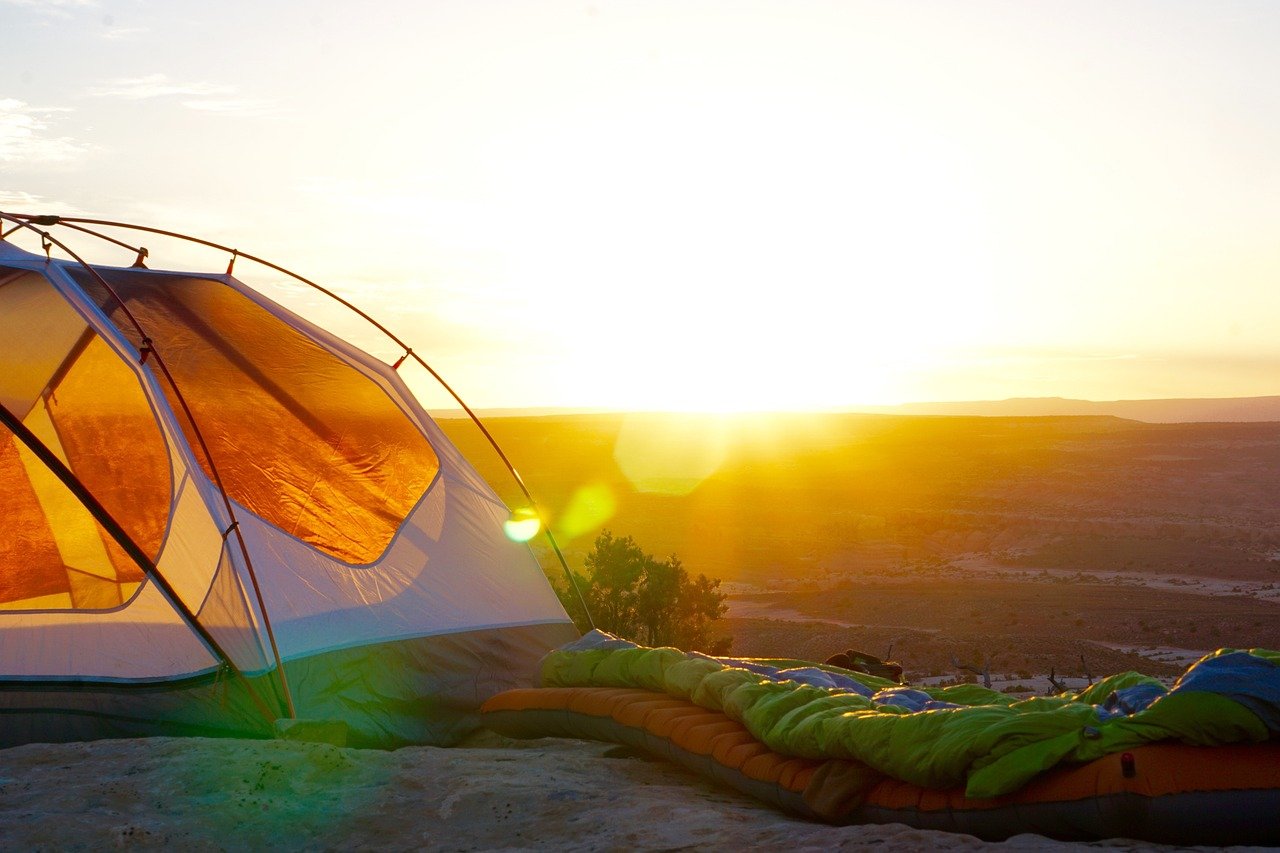
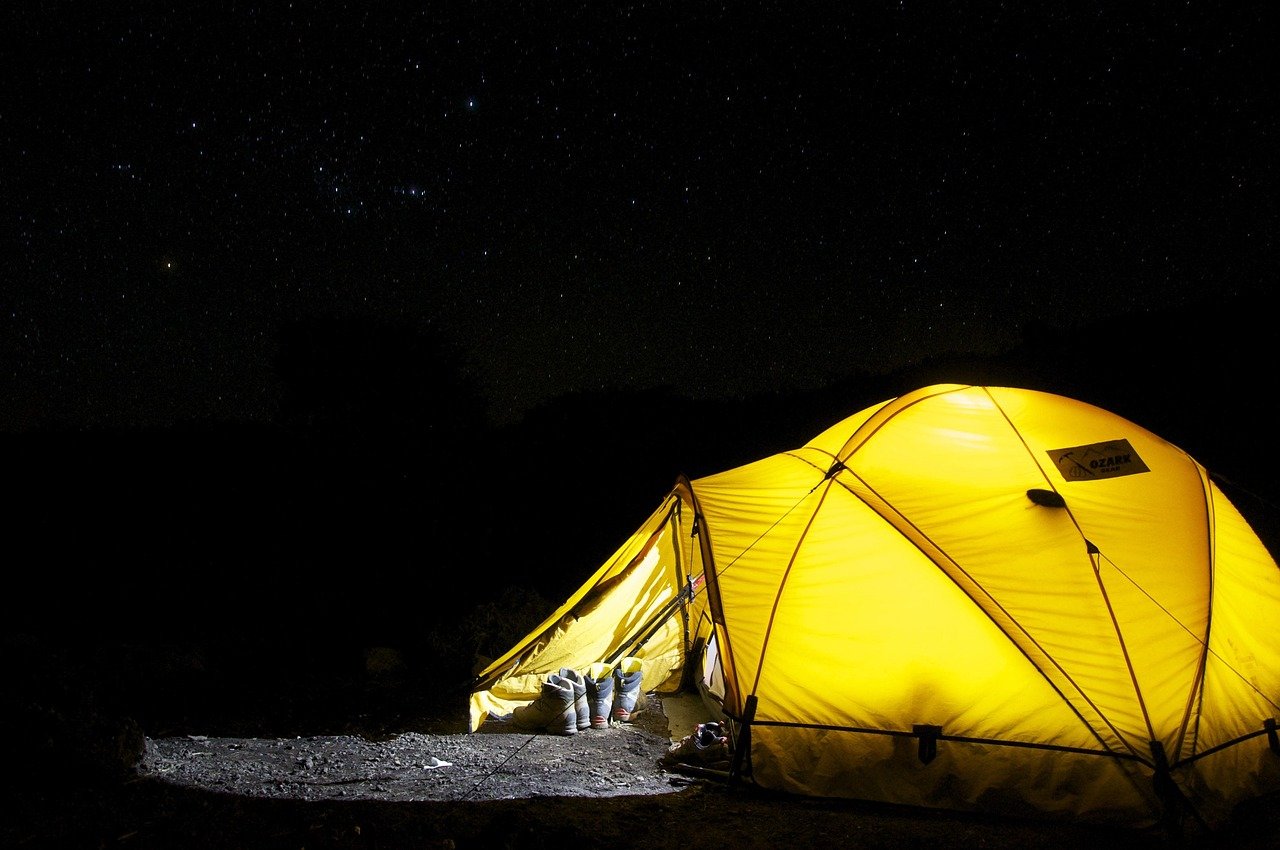
Think about how many people sleep inside, how much gear must come in out of the weather, and how far the tent is carried. A family car camper benefits from headroom and a porch for boots and wet clothes. A walker benefits from a smaller, lighter shelter with fewer poles. When comparing models, read the manufacturer’s specification page for packed size, fabric description and floor area, and weigh them against your route. The best family camping tents guide works through the larger models in detail.
Setup and weather protection
A tent that goes up easily gets pitched well, which matters more in the dusk and wind that tend to arrive with the last of the daylight. Practise once in the garden or a park so the first real pitch is not the first attempt, and read the guide on how to pitch a tent before the trip. Older tents may need attention to fabric and seams; the guide on how to waterproof a tent covers that work, and it is best done at home on a dry day, not at camp in the rain.
When a tarp is the better buy
A tarp suits cooking areas, dining space and rain cover over a table, and it can serve as a lighter shelter for experienced campers who accept the trade-offs of open sides. Beginners usually do better with a tent as the main shelter and a tarp as an addition. The best camping tarp guide compares sizes and materials by the job each performs.
Sleep system: bag, pad and backup warmth
Sleep quality decides how the next day feels, and a sleeping bag and pad should be chosen together. The bag provides the warmth, and the pad goes between you and the ground, so a good bag on a poor pad leaves a weak link.
Match the bag to the coldest night you realistically expect, not the average one, and read the maker’s published temperature rating alongside the way the rating is described. Buy a roomier shape if you move around at night and a closer-fitting one if weight and warmth matter most. The comparison of the best camping sleeping bags looks at bag and pad pairings by trip type.
A compact emergency layer belongs in the kit for trips where the weather can turn quickly. It is a backup, not a replacement for a proper bag, and the guide to the best emergency blankets explains what each type is suited for. Keep it in a pocket of the pack you always carry, so it is within reach when the plan changes.
Cutting tools: knife, saw and hatchet by task
Camp cutting splits into food work, branch work and wood splitting, and each calls for a different tool. Buying by task prevents the common mistake of carrying a heavy tool that does only one of those jobs well. Before cutting or collecting any wood, check the rules of the campground or land manager, since many sites limit what may be gathered.
Knife for food and fine work
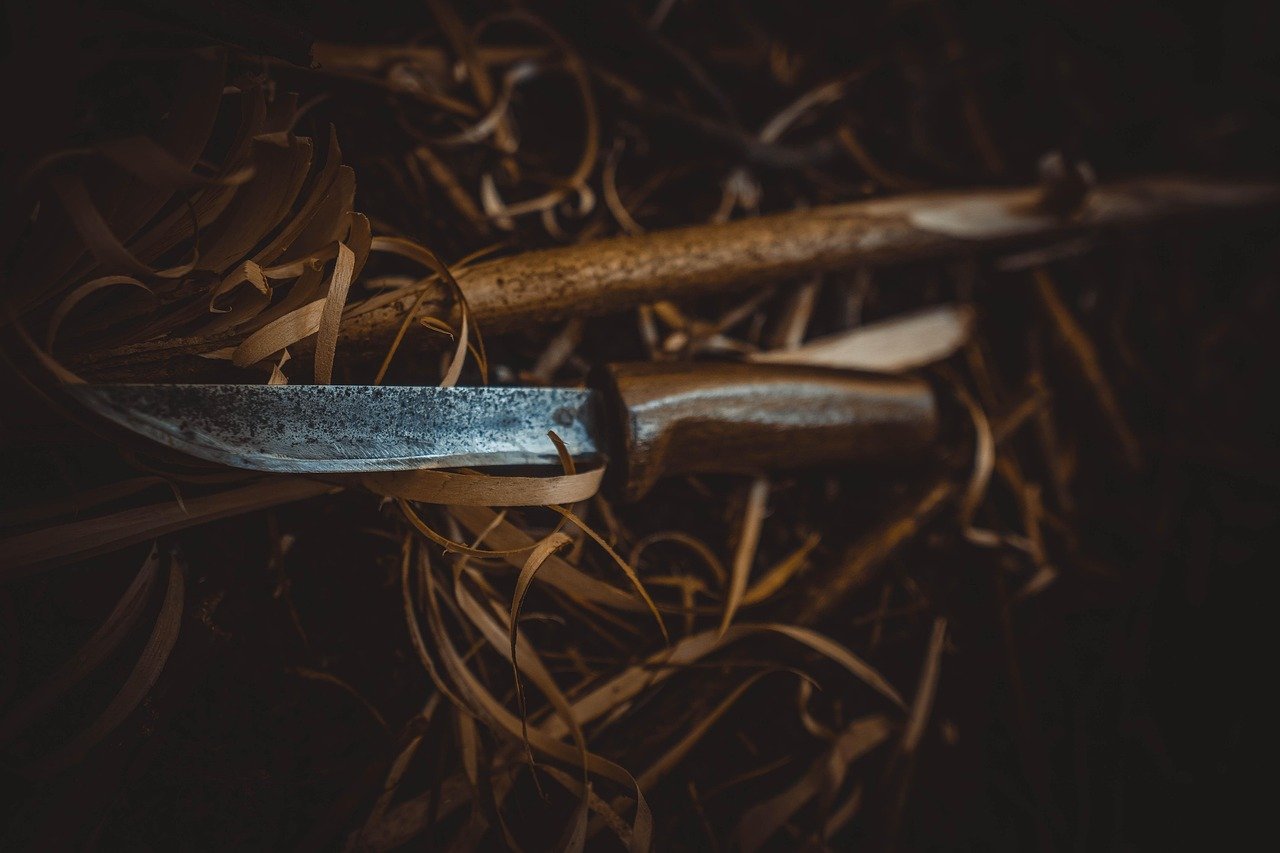
A knife is the one cutting tool nearly every camper uses daily: opening packaging, preparing food, cutting cord and shaving tinder. Choose a blade you can control and a handle that stays secure in wet hands. Fixed blades have no hinge to fail and are easier to clean; folding blades are more compact in a pocket. Compare maker specifications for blade length, steel and weight, then read the best camping knife guide to see how the options perform at those tasks.
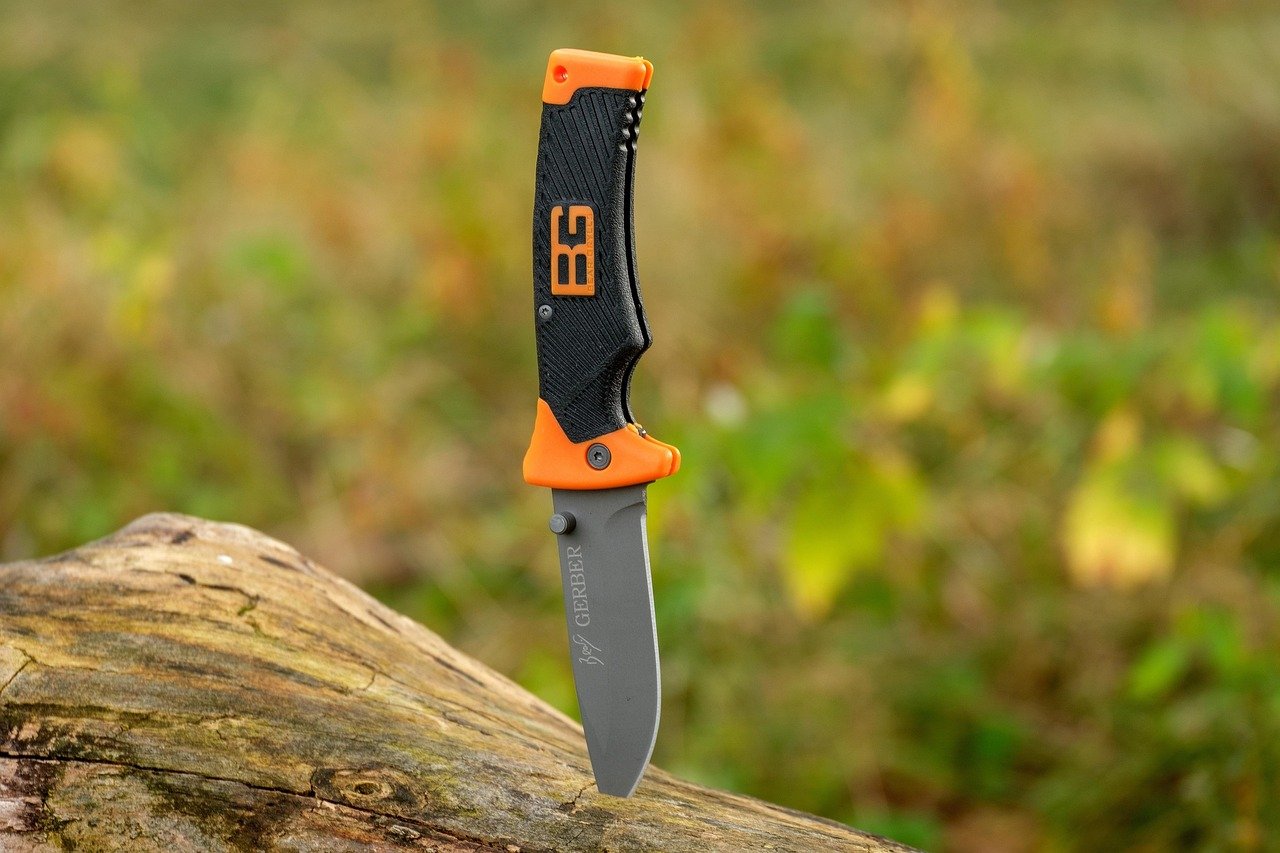
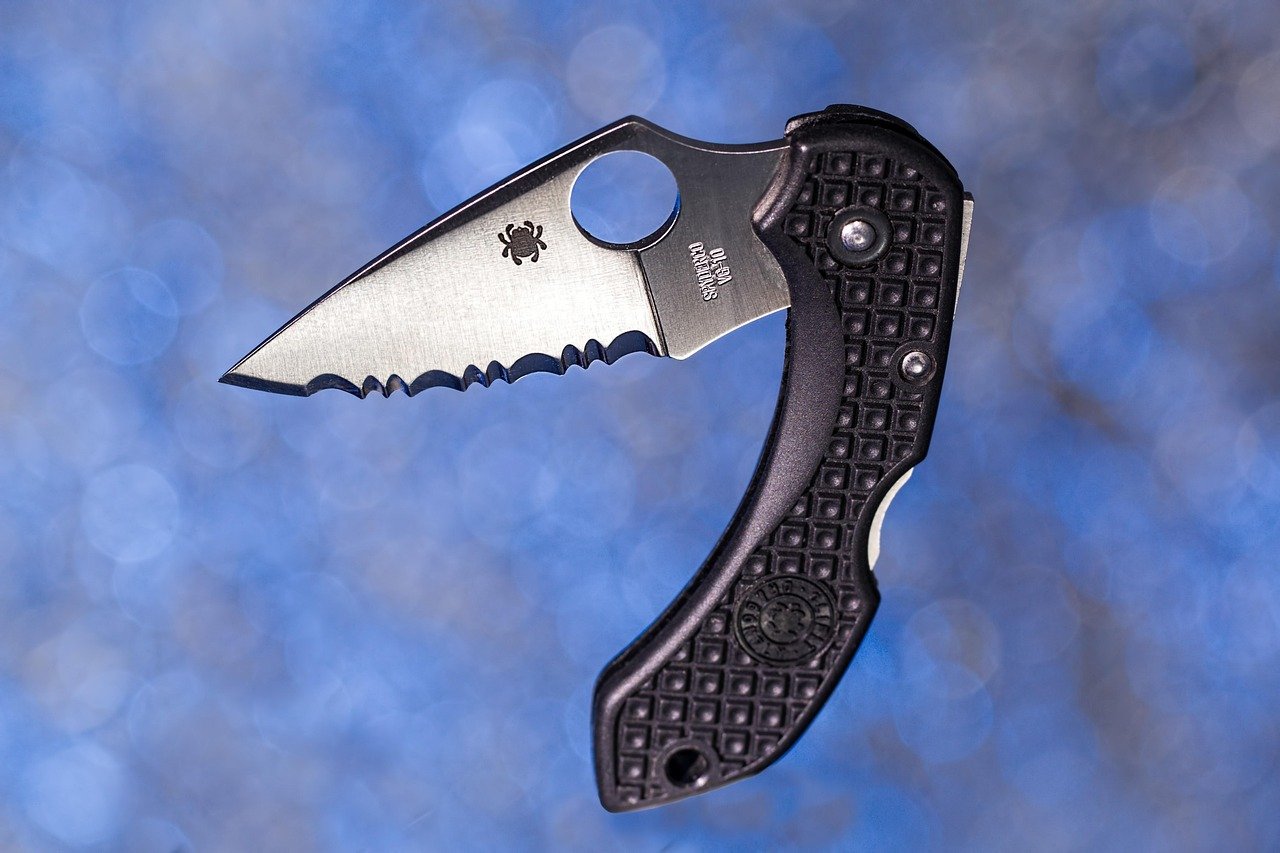
Edge style is also a task decision. A plain edge suits clean slicing and shaving, while a serrated edge is aimed at cutting cord and fibrous material. Many campers find a plain edge easier to keep sharp and use, with a separate tool for rough cutting.
Saw for branches and firewood
For cutting branches and fuel to length, a folding saw is the safer, lighter choice for most campers. It cuts on the pull stroke with a controlled motion, folds into a pack and does not need a chopping block. It suits anyone gathering wood where gathering is permitted and anyone who wants one tool for shelter poles and fire. The best folding saw comparison covers blade length and locking designs.
Hatchet and axe for splitting
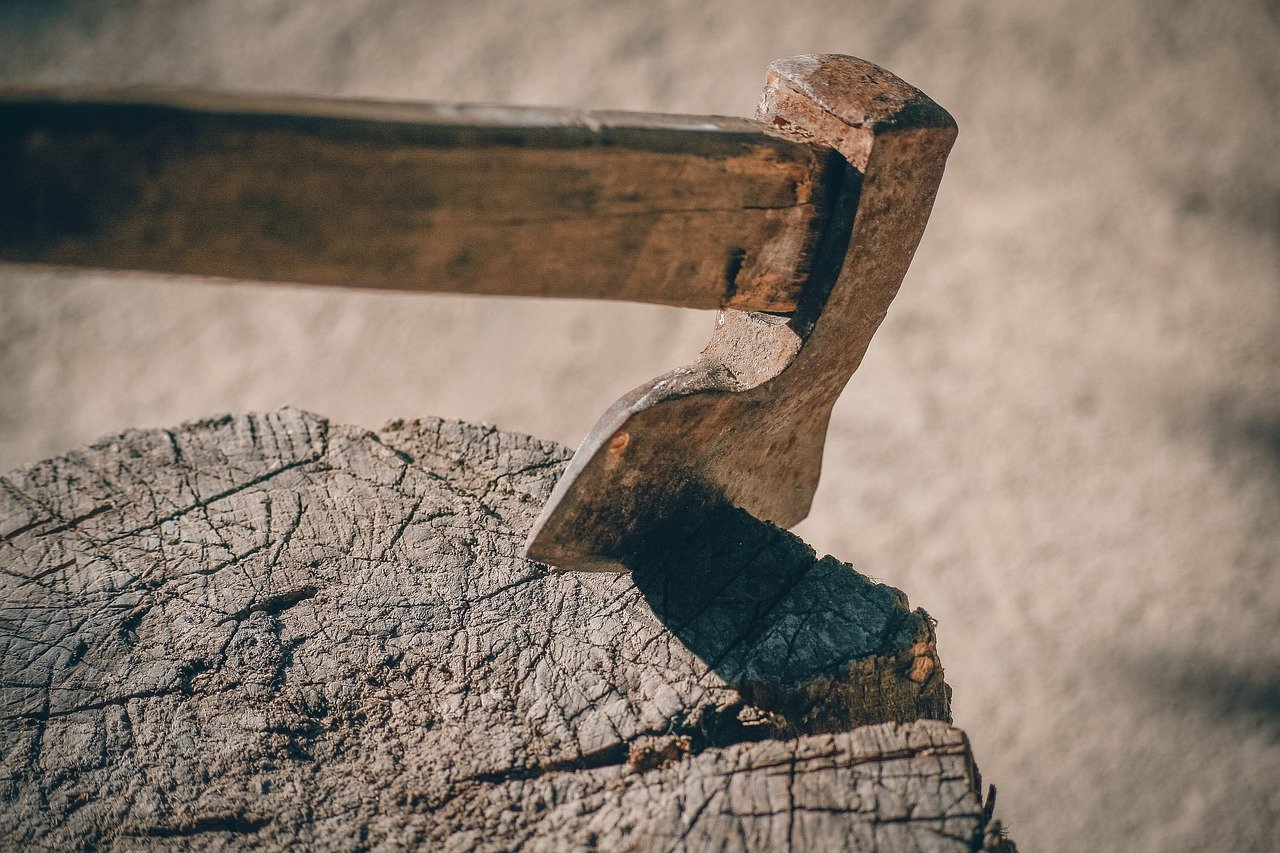
A hatchet is justified when you split wood for longer fires, not when you simply need to cut a branch. Splitting turns large rounds into smaller pieces that dry and burn more evenly, and a hatchet does that with a shorter handle that travels easily. A full-size axe delivers more force with a longer handle but demands more space and more care. If you walk in, a saw usually replaces both; if you drive in and burn fires regularly, a hatchet makes sense. See the best survival hatchet guide for head shapes and handle materials.
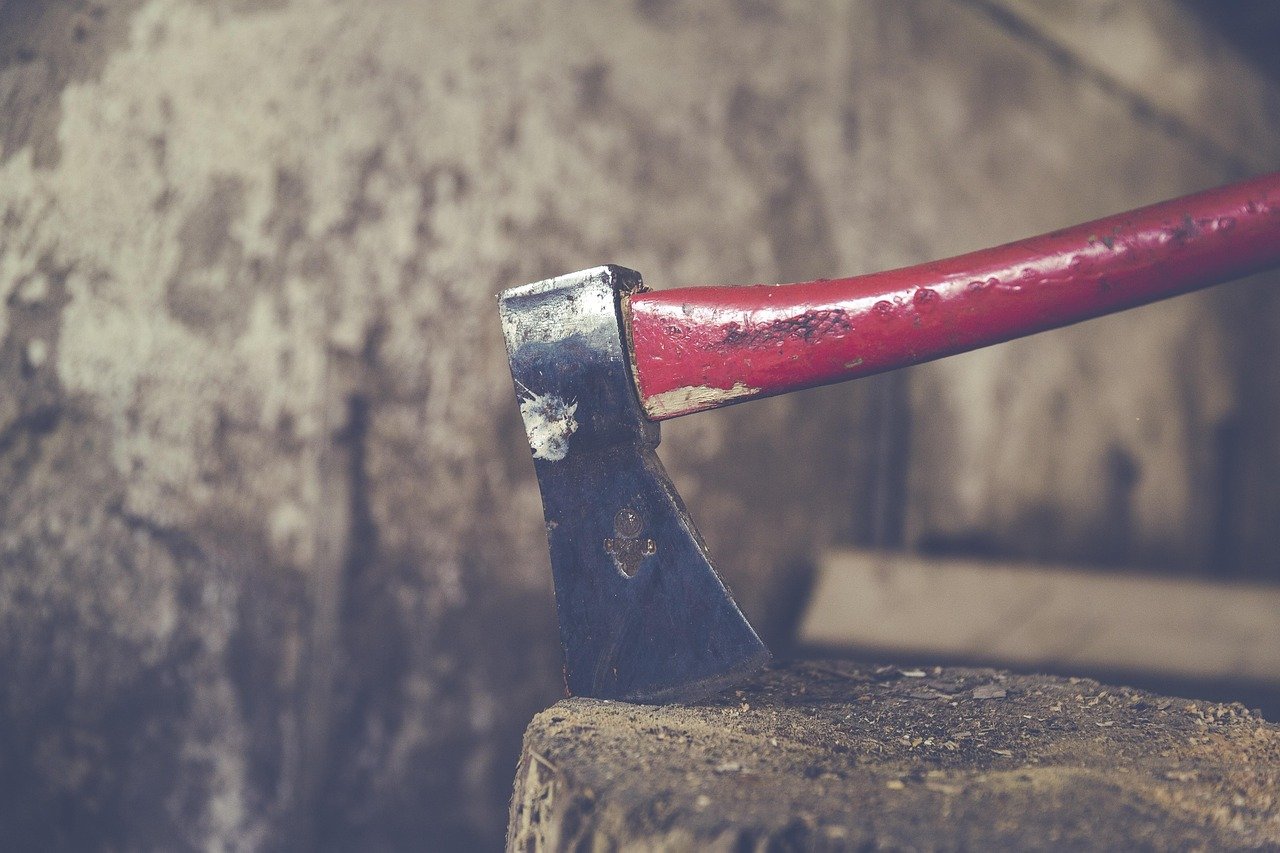
Whichever you choose, split on a stable block, keep bystanders well back and store the head covered. A dull edge is less predictable than a sharp one, so keep a way to maintain the edge as part of the kit.
Cooking and food storage
A reliable stove and a way to keep food cold and secure carry most of a camp kitchen. Everything else is a refinement.
Stove choice
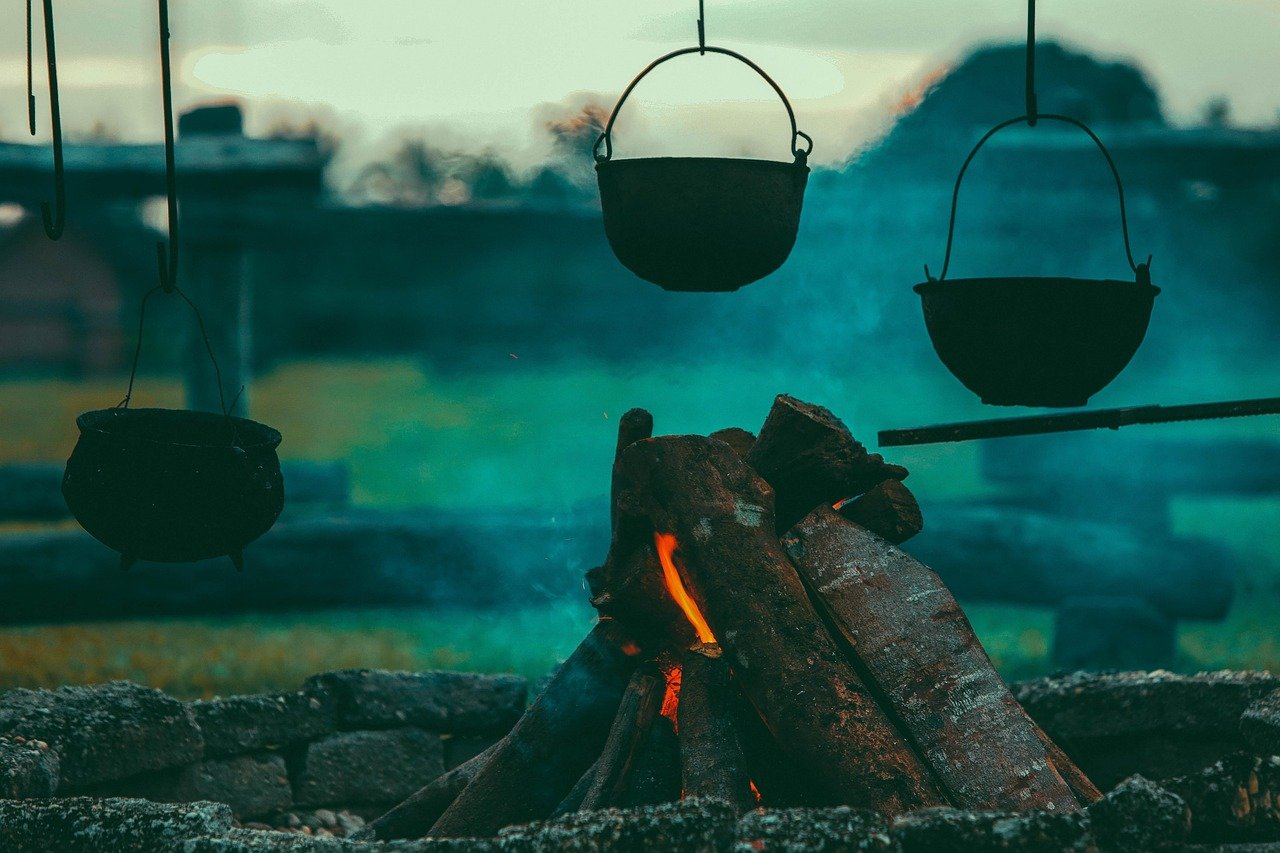
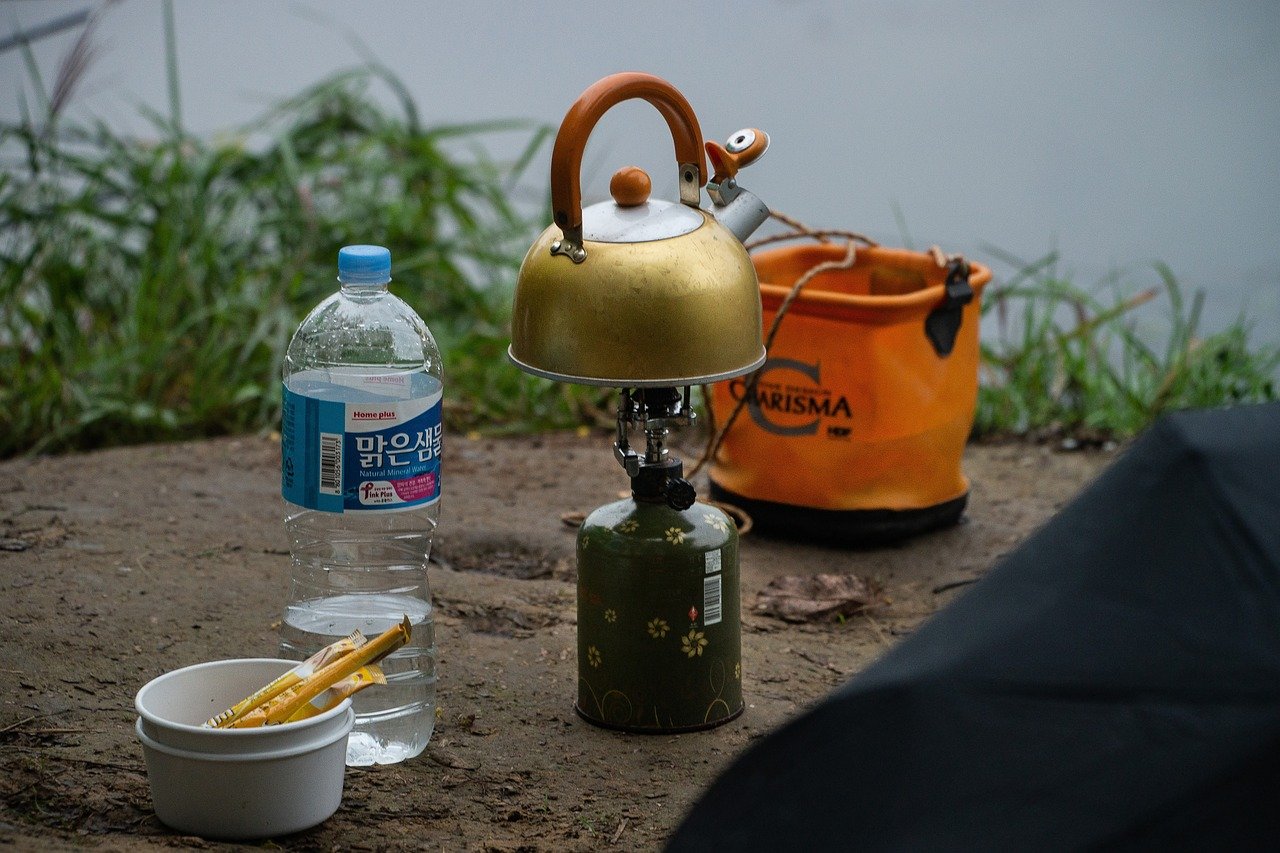
Pick the stove by how many people you cook for and how fast you need boiling water. A compact canister stove with a small pot suits walkers who mostly heat water; a larger two-burner model suits a car camping family cooking real meals. Check the specifications for stability, wind protection and fuel type, then use the best camping stoves comparison to match them to your menu. Always check fire and stove restrictions for the area before you go.
Coolers and storage
A cooler matters most on trips of more than a night, where perishable food has to stay cold and out of reach. Choose a size you can lift when full, and keep it shaded at camp. Food storage is also a wildlife matter: store food and scented items as the land manager directs, and never keep them in the tent. The best camping coolers guide looks at insulation, latches and carrying options.
Light after dark
Camp lighting divides into hands-free light for tasks and ambient light for the group. Using one source for both usually means a compromise in each.
Headlamp or flashlight
A headlamp leaves both hands free for cooking, pitching and walking to the toilet, so it is the default personal light. A handheld flashlight still earns a place for sweeping a wider area or signalling. When you compare models, read the published output, beam type and run time on the manufacturer’s page, and check which battery type they use. The best headlamp for camping guide compares them against practical tasks.

Lanterns for the shared space
A lantern lights a table or the inside of a tent evenly, which is more comfortable for eating and talking than a narrow beam. Choose by the area you want lit, the brightness settings and the power source, and carry spare batteries or a charging option. The best camping lanterns comparison explains how each style behaves around a camp.
Camp chairs and furniture
Chairs are the easiest item to over- or under-buy, because the right choice depends almost entirely on how far you carry it. Aluminium frames dominate current designs because aluminium has a high strength-to-weight ratio. Steel tubing is a different trade: a buyer’s guide describes steel as offering high stability and generally lower cost, which suits car camping, while aluminium alloy is significantly lighter and suits backpacking.
| Use | Typical figures | Planning use |
|---|---|---|
| Trekking and backpacking | Under 1 kg; folded pack approx. 36 x 11 cm | Choose when the chair must fit in a daypack and every gram counts. |
| Camping and festivals | 2 to 3 kg; seat height approx. 35-45 cm | A comfort compromise for car-based trips where standing up easily matters. |
| General ideal weight guide | Under 2 pounds (about 0.9 kg) | A target for anyone who walks any distance with the chair. |
| Most adult chairs | Static load capacity of 100 to 150 kg | Check the rating against the heaviest person likely to sit. |
| Heavy-duty designs | Hold 225 to 500 pounds | Choose when the standard range leaves little margin. |
| Vendor-listed ultralight moon chair | Approx. 140 kg load at about 765 g net weight | Shows light designs can still carry a high rated load, so compare ratings, not weight alone. |
Figures come from a camping chair buyer’s guide and an advice article on chair weight and strength; the ratings are vendor-stated and apply to the models they describe.
Read the table as ranges to shop within, not targets to hit. The weight ceilings are for comparing designs, and a chair that is lighter than needed can give up comfort and stability. The guide that sets the 2 to 3 kg compromise for camping and festivals also gives approximately 35 to 45 cm as the seat height that eases standing up, which makes height a useful check for anyone with stiff knees.
Cover fabric matters as well as the frame. The same buyer’s guide names 600D Oxford fabric as a proven standard with good tear resistance, so look for a similar description on the product page. Frames also last longer with simple care: after exposure to rain or heavy moisture, wipe the chair with a dry cloth before storing it. The best camping chairs guide compares specific models, and tables or stools can be added once the chairs are settled.
Cord, repair and small items
Small items solve the problems the big gear creates. Cord holds up a tarp, hangs a lantern, secures a food bag and replaces a broken guy line. A length of paracord takes almost no room, and the paracord projects guide shows what to tie and when it is the wrong choice.
Beyond cord, a short repair kit earns its place: tape, spare cord, a few pegs and a patch for the sleeping pad or tent. Pack it in the same pocket every trip so you can find it in the dark. Treat these items as insurance against the one failure that could end a trip early.
Packing checklist by task
Use this list after choosing your route. Strike what the trip does not need, and add only what a specific task requires.
- Shelter: tent with poles, pegs and guy lines; a tarp for cooking or dining space; groundsheet if the tent floor needs protection.
- Sleep: sleeping bag matched to the coldest expected night, a pad, a pillow substitute and a compact emergency layer.
- Cutting: knife for daily use; a folding saw if wood gathering is allowed; a hatchet only for planned splitting.
- Cooking: stove and fuel, a pot, utensils, a lighter and a backup ignition source, a cooler for longer trips and a bag or container for secure food storage.
- Light: a headlamp for each adult, a lantern for the shared space and spare batteries.
- Comfort: chairs sized to carrying distance, with a small table if the group cooks together.
- Repair and safety: cord, tape, first-aid supplies, water carrying and treatment, and a map for the area.
Keep the list in a form you can reuse, then adjust it after each trip based on what stayed in the bag unused and what you reached for and did not have.
Frequently asked questions
| Question | Answer |
|---|---|
| What should be on a camping gear checklist first? | Shelter and sleep gear come first, because they protect against weather and cold. Cooking, cutting tools, light and seating follow, in the order the trip needs them. |
| How heavy should a camping chair be? | One guide advises a chair under 2 pounds, and another puts trekking chairs under 1 kg and camping and festival chairs at 2 to 3 kg. Walk-in trips suit the lighter end, car camping the heavier. |
| Is an aluminium or steel chair frame better for camping? | Aluminium alloy is significantly lighter than steel and suits backpacking. Steel gives high stability and is generally more affordable, so it suits car camping. |
| How do I stop a camp chair frame rusting? | After exposure to rain or heavy moisture, wipe the chair with a dry cloth before storing it. |
| Do I need a knife, a saw and a hatchet? | Rarely all of them. A knife covers daily tasks, a folding saw covers branches and firewood where gathering is allowed, and a hatchet is only needed for regularly splitting wood. |