The best family camping tents are judged by usable floor space, not the person rating on the label. Pick a tent whose floor suits your sleeping pads or cots plus gear, then add extra doors and a room divider if children sleep separately.
The list below is an ordered selection by decision priority, not a brand ranking. For the rest of the kit that goes in the car alongside the tent, use the camping gear checklist.
Choosing by floor space, not the person rating
A tent’s capacity rating describes sleeping surfaces. Fanttik’s family tent guide calls it a sleeping-surface estimate, not a promise of livable space. A four-person rating usually means four sleeping pads laid side by side with little else. Families who bring bedding, bags and extras need more floor than the label suggests.
The same guide gives planning ranges for four sleepers:
- Four sleepers in general: about 56 to 160 sq ft, depending on gear and extra sleepers. Use the low end only for pads and little else.
- Cots plus duffel bags: about 75–88 sq ft. Cots take noticeably more floor area than pads because they have height and rigid frames.
- Cots plus pet space: about 110–160 sq ft. Take this range if a dog or an extra guest is coming.
Rated size can also move within one tent family. BetterTrail’s Big Agnes review lists the Copper Spur UL2 at 29 sq ft of floor and the XL version at 36 sq ft (96 x 54 in). The review also says the Tiger Wall 2P can technically fit two adults but is pretty cramped. These are two-person backpacking tents, so they show how tight a nominal rating can be rather than what a family should buy.
Before comparing layouts, settle floor area first. The tent types below follow from that: layout, then doors, then weather shape, then set-up.
Family tent types, in order of priority
1. Open single-room tent with generous floor area
An open single room suits families who want to rearrange sleeping space night to night. Fanttik’s guide notes that divided rooms trade some flexibility for privacy, which means an open room keeps that flexibility. It suits young children who sleep close to parents, and cot or pad layouts that change between trips.
The limit is privacy. Everyone shares one space, so a late reader or an early riser affects the whole tent. Choose this type if the floor ranges above are met and bedtimes are the same.
2. Divided-room tent with a room divider
A room divider is worth having when parents and children keep different bedtimes. Fanttik’s guide says divided rooms give parents and kids privacy and separate bedtimes. For older children, or a household with a light sleeper, the divider turns one big floor into two sleeping zones.
The trade-off is flexibility. A fixed divided layout limits how cots or pads can be arranged, so check each room’s floor area separately rather than relying on the total. Skip the divider if everyone goes to sleep together and you would rather keep one open floor.
3. Tent with more than one door and a usable vestibule
More than one door means someone can leave the tent at night without climbing over sleeping family members. That matters most with children who need night-time trips outside. A single door can work for a pair of adults: BetterTrail points out that the Fly Creek UL2 has a single door at the head end. The same layout gets awkward when a whole family sleeps in a row.
Treat vestibule space as storage. Fanttik’s guide says it should not be counted as usable floor area unless the listing states otherwise. A vestibule is still a good place for muddy shoes, which keeps the sleeping floor clear.
4. Low, rounded tent for rain and wind
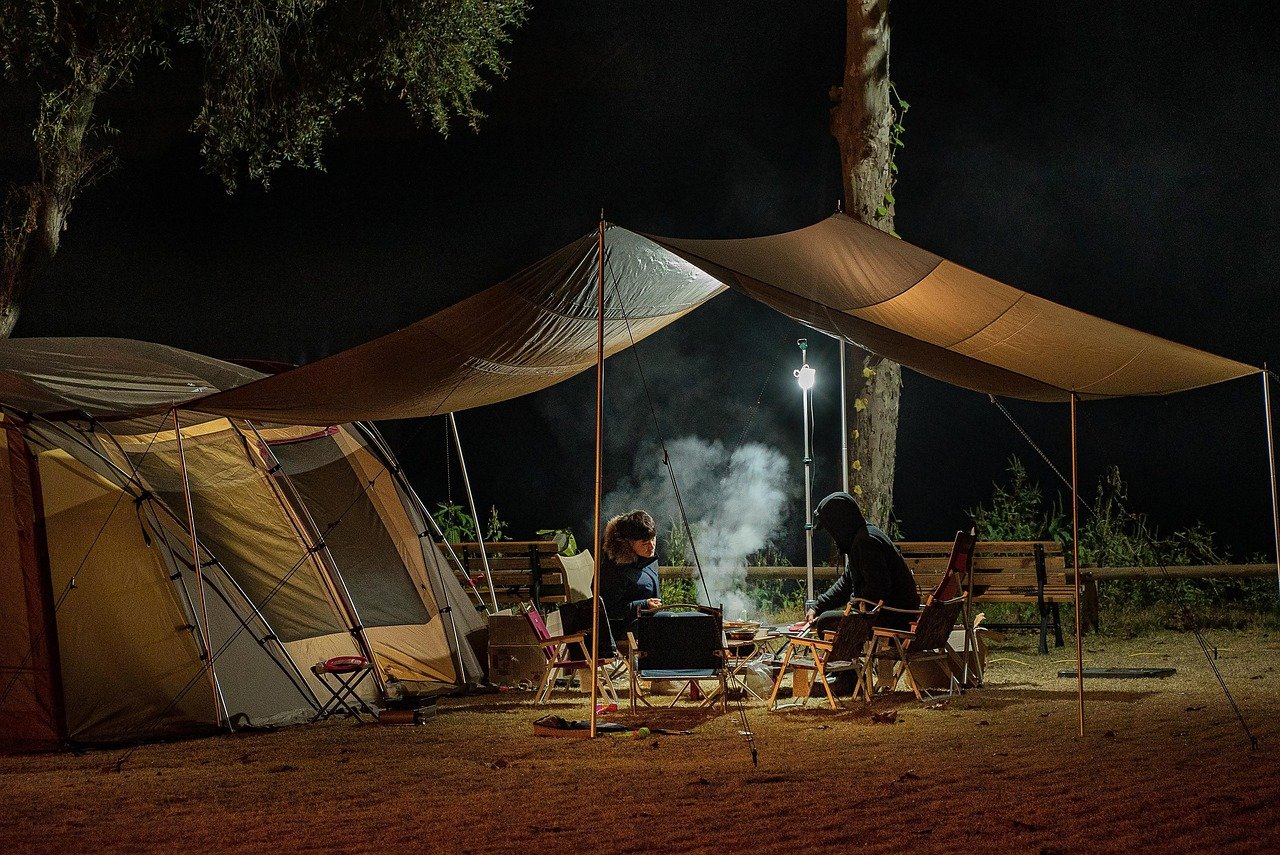
For exposed sites, a lower, rounded shape is the better pick. Fanttik’s guide says lower, rounded shapes generally shed wind better at exposed sites. That is the direct trade-off with headroom, because the same guide says to treat peak height as usable volume, not floor area. A tall peak gives standing room for adults but does not add sleeping space.

Peak height alone also does not describe the room. In BetterTrail’s review, the Copper Spur UL2 pairs a 40 in peak with steep walls, while the Tiger Wall UL2 is 39 in with a sloped ceiling. The review also calls the Copper Spur more wind-resistant, thanks to more nylon in its tent body. Choose a taller family tent for sheltered campgrounds and a lower one for open ground.
For rain, check the parts separately. Fanttik’s guide lists rainfly coverage, sealed seams, ventilation openings and staking points as separate specifications. Compare the manufacturer’s stated waterproof ratings for fly and floor individually, and look at fabric denier per component too: BetterTrail lists the Copper Spur at 15 by 20 denier for floor, rainfly and canopy, against 15D throughout on the Tiger Wall. The guide also warns that no single feature on a spec sheet proves how a tent will hold up in an actual storm. Read ratings as a starting point and use a full pitch with stakes and guylines to judge the rest.
5. Freestanding tent with few poles
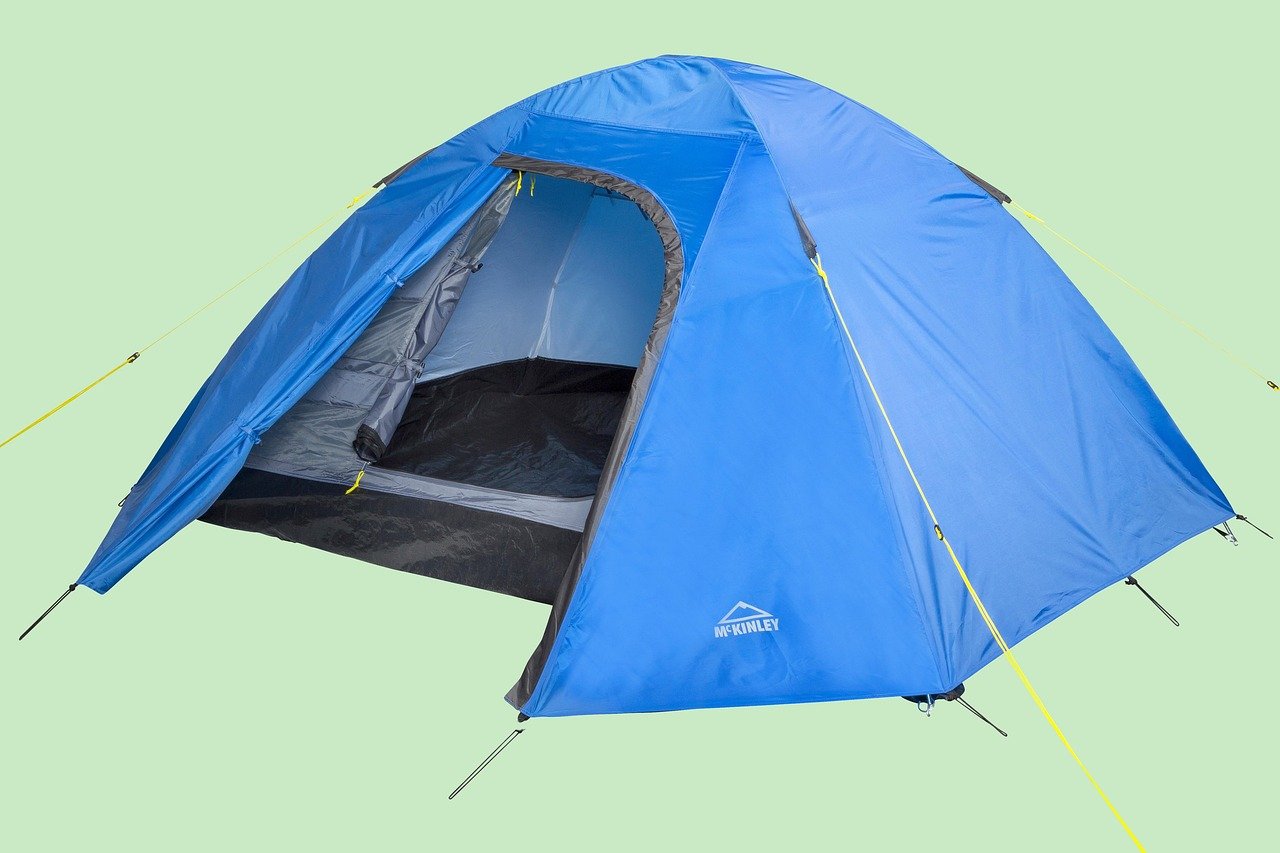
Easy assembly suits families who arrive late or pitch with children underfoot. Fanttik’s guide says fewer poles, colour-coded clips and pre-attached components generally reduce assembly friction. BetterTrail adds that freestanding tents are significantly easier to pitch and can be set up on a range of ground conditions. No source here gives a set-up time for a large tent, so judge by pole count and clip system rather than a claimed minutes figure. Step-by-step help is in our guide on how to pitch a tent.
Packed size and weight for car camping
Packed dimensions and weight matter for two separate reasons, according to Fanttik’s guide: whether the bag fits in the vehicle’s cargo area, and how far you will carry it from the car. A family tent shares that space with bedding, food and seating, so measure the bag against the boot before buying. Folding furniture also competes for room; the guide to the best camping chairs covers that side.
Weight figures from backpacking tents are a poor guide for family models. BetterTrail states the Copper Spur UL2 at exactly 3 lb, but that is a two-person ultralight tent. Use the carry distance from car to site to decide how much weight is acceptable. A short walk justifies a larger, heavier tent with more floor.
Comparison at a glance
| Tent type | Main strength | Main limit | Planning use |
|---|---|---|---|
| Open single room | Flexible sleeping layout | No privacy or separate bedtimes | Pick when everyone sleeps at the same time |
| Divided room | Privacy and separate bedtimes for parents and kids | Less flexibility in layout | Pick when children go to bed before adults |
| More than one door | Exit without climbing over sleepers | Vestibule is not counted as floor unless stated | Pick for night-time trips outside |
| Low, rounded shape | Sheds wind better at exposed sites | Peak height is volume, not floor, and lower means less headroom | Pick for open or windy ground |
| Freestanding, few poles | Easier assembly on varied ground | Does not guarantee storm performance | Pick for quick pitching with children |
These comparisons draw on Fanttik’s family tent guide and BetterTrail’s tent review.
Frequently asked questions
Is a tent rated for six people really comfortable for six?
Usually not. The rating counts sleeping surfaces, and a four-person rating typically means pads side by side with little else. Add allowance for gear, cots or pets and compare the floor area, not the label.
Does a vestibule count as floor space?
No, unless the listing states otherwise. Treat vestibule space as storage for shoes and gear, and size the sleeping floor on its own.
Should a family pitch a new tent before the trip?
Yes. Fanttik’s guide recommends pitching the tent completely at home, including the rainfly and stakes, then walking through the planned sleeping arrangement. That shows whether the floor fits your bedding and how long assembly takes with your crew.