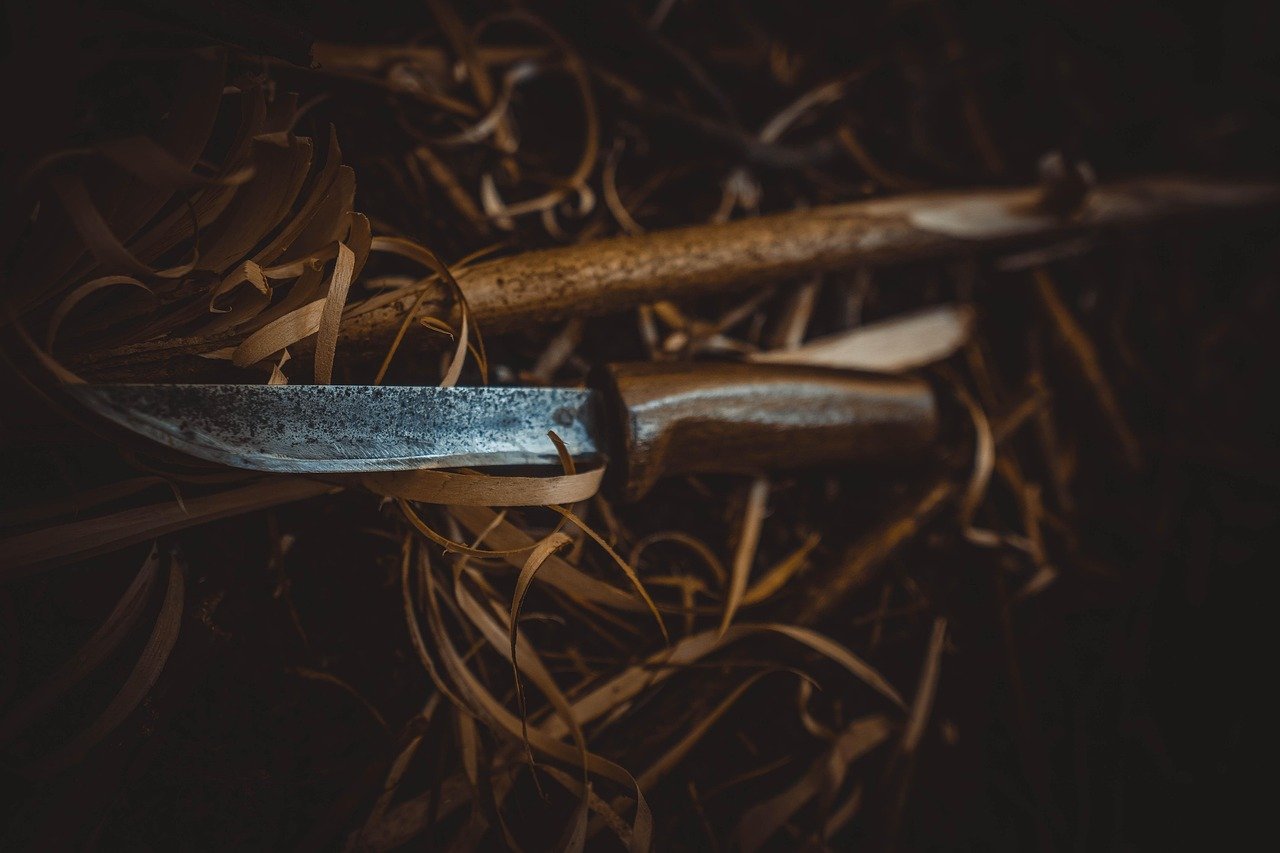
Pitching a tent, feeding a fire and slicing dinner all call for one dependable blade. The best camping knife is usually a full-tang fixed blade of moderate length, chosen for campsite tasks rather than survival or tactical use.
- Best all-rounder: a mid-sized stainless fixed blade, represented here by the Gerber LMF II.
- Best for clearing brush: a very long blade such as the ESEE Junglas, but only if brush work is a real part of the trip.
- Best for edge retention: a full-tang, high-carbon knife such as the TOPS Brakimo.
- Best on a budget: any fixed blade that passes the same tang, steel, grip and sheath checks as the pricier models.
Whichever blade wins, it belongs on a wider camping gear checklist next to your cooking, shelter and fire tools. Heavy chopping is better left to an axe, so pair a knife with the best survival hatchet if you split firewood.
Gerber LMF II: the mid-sized all-rounder
The Gerber LMF II has a 4.84 in partially serrated blade and weighs 11.67 oz without its sheath, according to a fixed-blade knife comparison. It suits campers who want one knife for food prep, cord, kindling and general chores and who camp in damp weather.
Its steel is 420HC stainless, which the same comparison credits with good corrosion resistance and high rust resistance in wet conditions. The sheath is MOLLE-compatible, has a fire retardant coating and includes a built-in sharpener, and the handle has a lanyard hole. That sharpener matters because 420HC is a softer stainless grade that may need more frequent sharpening.
The limits are weight and styling. At 11.67 oz it is a heavier carry than a minimal camp knife, and the serrated section is a preference, not a necessity, for cooking and carving.
ESEE Junglas: only for heavy brush work
The ESEE Junglas has a 10.375 in blade, a 16.50 in overall length and a gray Micarta handle, and the comparison describes it as a large tool. Its longer blade offers more mechanical advantage than the shorter 4.84 in blade of the Gerber for clearing brush.
That makes it a specialist choice. It suits campers who cut trail or thick vegetation around a base camp, and it is poorly suited to peeling an apple or shaving a feather stick. If your trips are ordinary campground stays, this is more knife than the tasks need.
The Micarta grip is a genuine strength. The comparison describes it as a durable composite with a high-friction surface compared to smooth metal, giving a secure hold when hands are wet or gloved.
TOPS Brakimo: full tang and high-carbon steel
The TOPS Brakimo uses full-tang construction, which the comparison links to maximum structural integrity, and a high-carbon steel suited to heavy-duty work. A full tang means the blade extends the full length of the handle.
This knife suits campers who value edge retention and accept the upkeep that comes with carbon steel. It is a tougher, less forgiving choice than a stainless knife for people who rarely oil or dry their gear.
Side-by-side comparison
| Knife | Blade length | Steel | Other listed details | Planning use |
|---|---|---|---|---|
| ESEE Junglas | 10.375 in blade; 16.50 in overall | High-carbon | Gray Micarta handle | Brush clearing where a big blade earns its weight |
Figures come from a fixed-blade comparison of tactical and survival knives, so treat them as reference points for size and steel rather than a ranking for campsite use.
Budget knives and Morakniv comparisons
The ten knives in that comparison range from $105.95 to $197.52, with a median of $148.09. That group is a premium reference point, so a budget camping knife is simply one that costs less than this range.
Budget knives are good enough for camping when they pass the same checks as expensive ones: a fixed blade, a tang running the length of the handle, a steel suited to your climate, a secure grip and a usable sheath. Shoppers weighing a Morakniv or another low-cost fixed blade against the models above should compare the manufacturer-listed blade length, steel type and weight on those terms and let price settle the tie, not decide first.
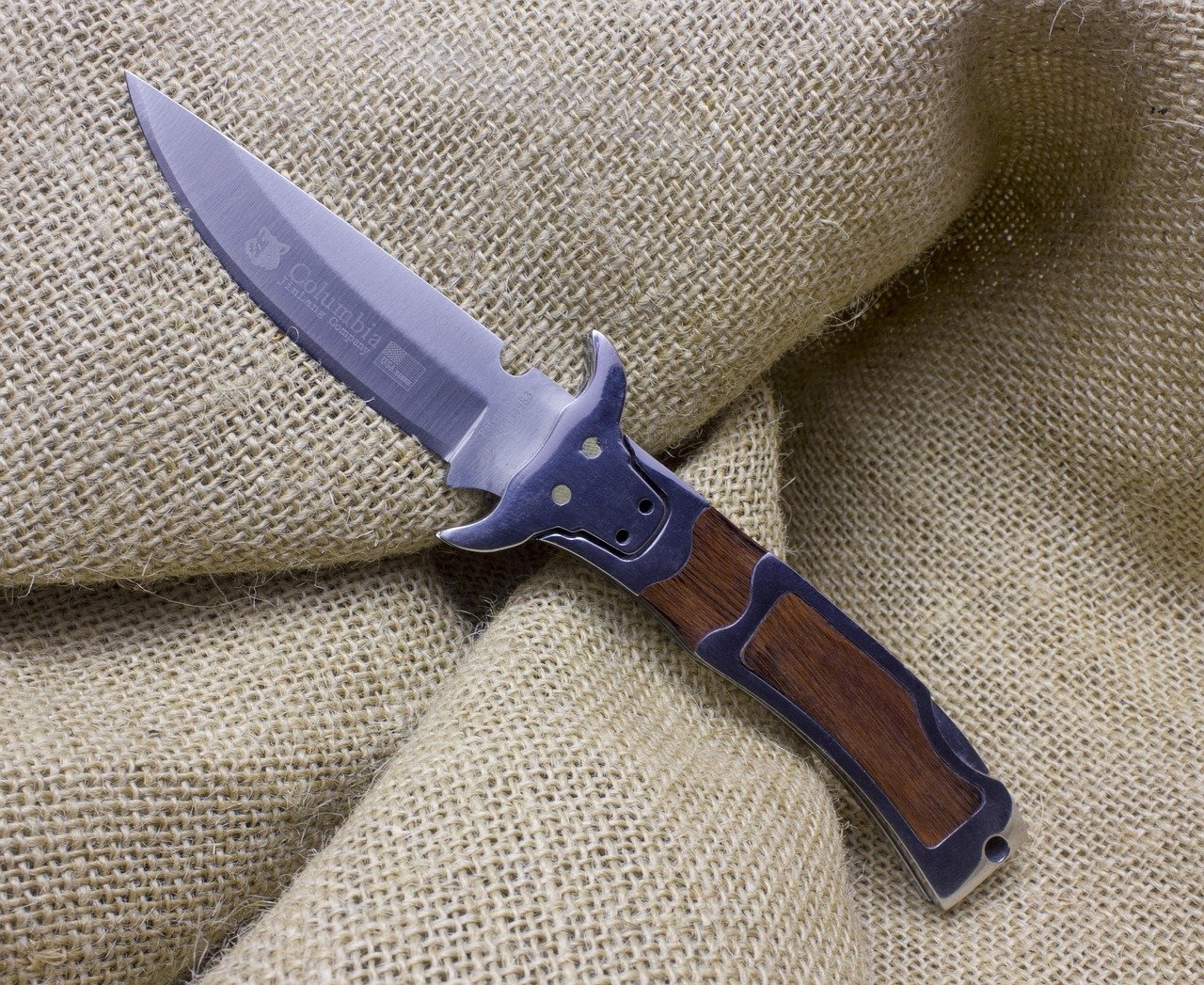
Choosing blade length for camp tasks
A blade near 4.84 in is a sensible starting point for most campsite jobs, while the 10.375 in blade of the Junglas is reserved for brush clearing. The longer blade gains leverage but gives up control, and its 16.50 in overall length is awkward in a pack.
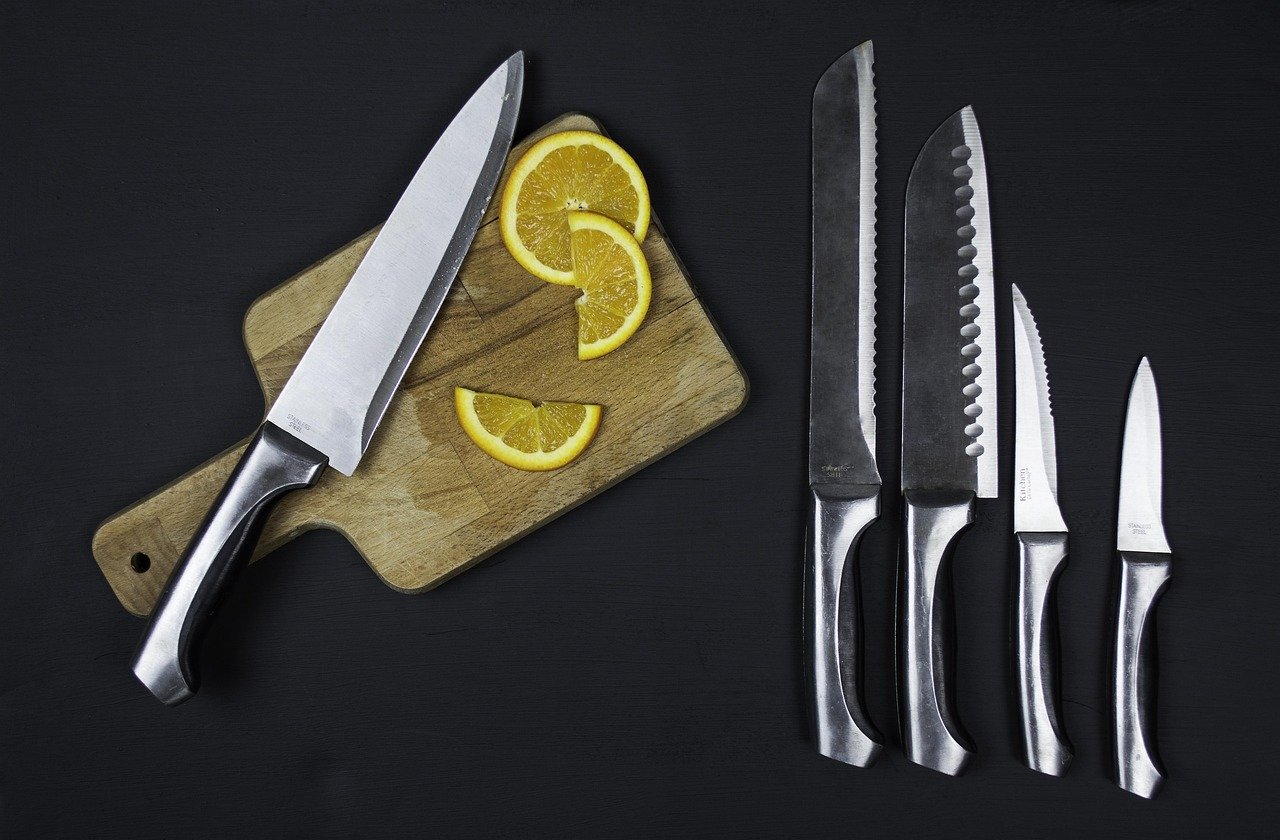
Pick the shorter end of the range if your knife mostly slices food, cuts cord and makes kindling. Move longer only when the work is clearing vegetation, and then consider whether a hatchet or machete-style tool would do that job better than a knife.
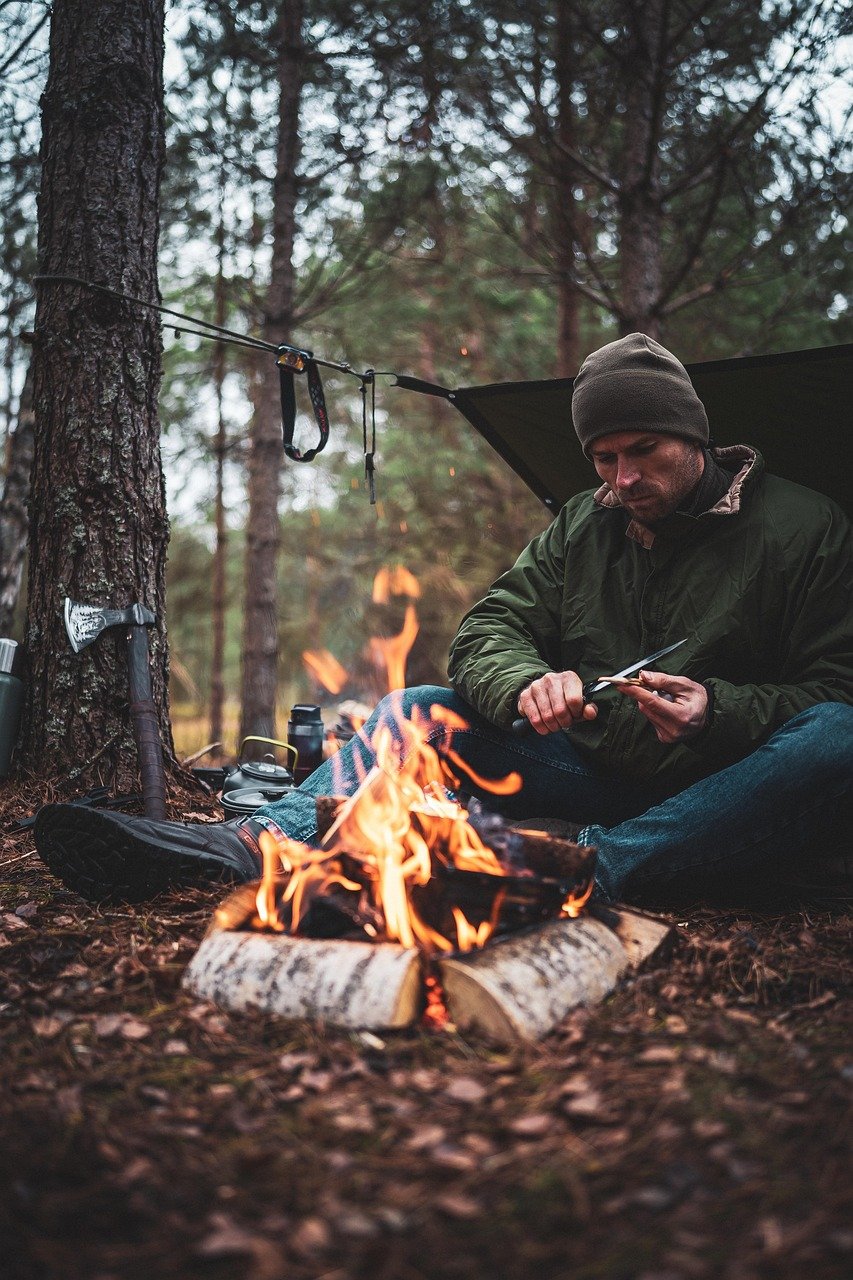
Carbon steel or stainless steel
Choose stainless if your camping is wet, coastal or humid and carbon if edge retention matters more than maintenance. The comparison says 420HC stainless resists rust in wet conditions but is softer and may need more frequent sharpening.
For better edge retention, it advises looking for high-carbon steels or premium stainless alloys. The TOPS Brakimo and ESEE Junglas use high-carbon options suited to heavy-duty work. A premium stainless alloy can be the compromise for campers who want both qualities, though no specific alloy is named in the comparison.
Handle, tang and sheath
A full tang, a high-friction handle and a sheath you can actually carry matter as much as the blade. Micarta gives a secure grip when hands are wet or gloved, and a lanyard hole adds security.
A sheath decides how the knife travels. The Gerber’s MOLLE-compatible sheath suits pack-mounted carry, and its built-in sharpener means field touch-ups need no extra kit. Before travelling with any fixed blade, check the knife carry rules for the area where you will camp.
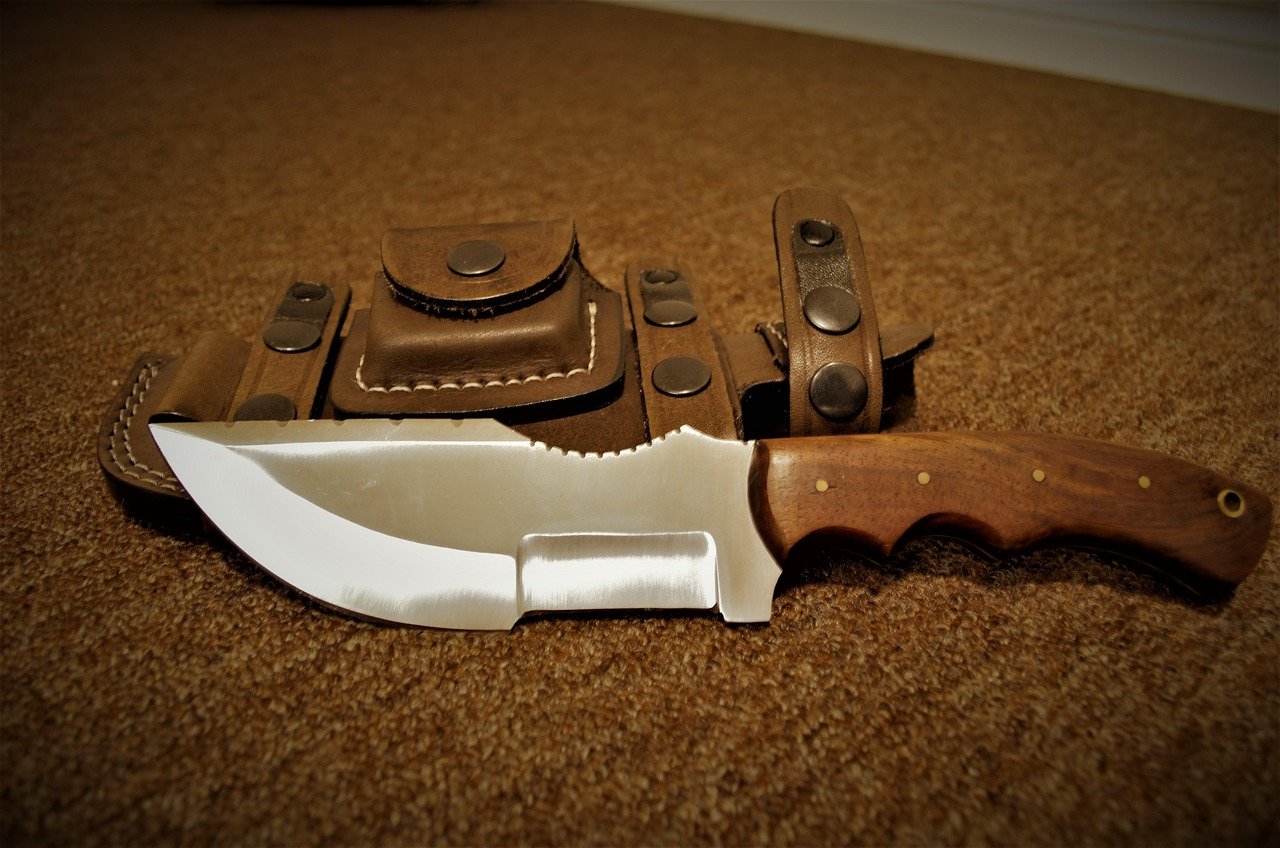
Decision checklist
- List your jobs. Food prep, cord and kindling point to a shorter blade; brush clearing points to a long one.
- Set blade length. Start near 4.84 in and go longer only for brush work.
- Match steel to conditions. Stainless for wet weather, high-carbon for edge retention.
- Confirm the build. Look for a full tang and a grip that stays secure when wet or gloved.
- Check the sheath. It should fit how you carry the knife, and local carry rules should allow it.
- Apply budget last. Compare cheaper options on the same listed attributes.
Frequently asked questions
What blade length is best for camping?
A blade around 4.84 in suits general camp tasks. The 10.375 in blade of the ESEE Junglas gives more mechanical advantage for clearing brush but is a large tool.
Are budget knives good enough for camping?
They can be, if they are fixed-blade, full-tang knives with a secure grip and a usable sheath. The knives compared above cost $105.95 to $197.52, so anything cheaper is the budget tier.
Carbon or stainless steel for a camp knife?
Stainless such as 420HC resists rust in wet conditions but may need more frequent sharpening. High-carbon steels are favoured for edge retention.
Does a camping knife need a full tang?
A full tang, where the blade runs the full length of the handle, is linked to structural integrity and is worth prioritising for any knife you will work hard.