The best camping stoves match the trip: a two-burner propane stove for car camping, a compact canister stove for backpacking, and a liquid fuel stove for deep cold or altitude. Fuel and weather decide the choice more than brand.
A stove is one line on a full camping gear checklist, and it is the line most affected by where and when the trip happens. The picks below are grouped by trip type, not ranked against one another, because the evidence supports matching a stove to conditions, not crowning a single winner.
How to choose a camping stove
Start with the trip, then the fuel, then the burner. Weight, cold and cooking style pull in different directions, so no stove wins on every count.
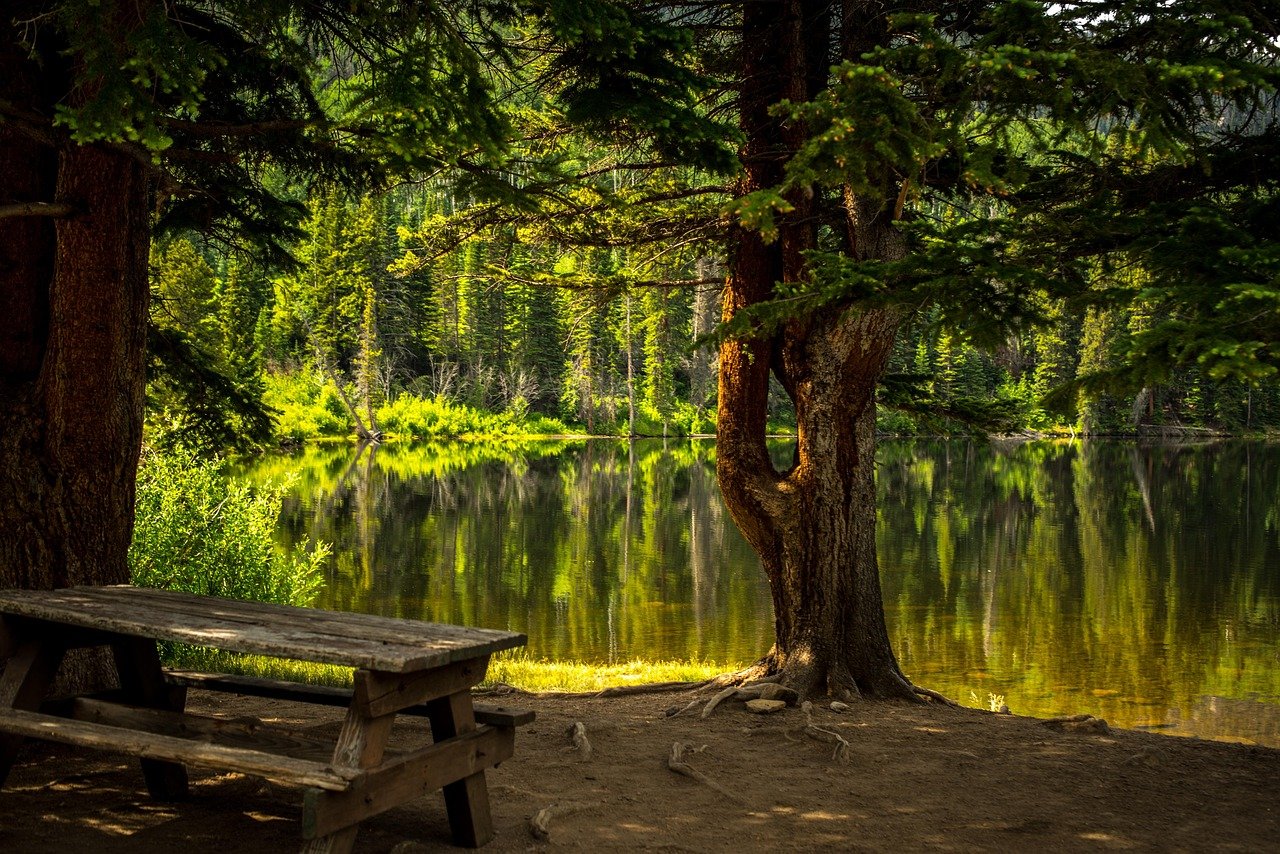
- Trip type first. Carried weight is the biggest divider. According to a portable stove buying guide from Top10, backpacking burners can weigh under 100 grams, while two-burner car camping units weigh 10 to 14 pounds. Nobody should carry the second type far from the car.
- Fuel and temperature. Propane, isobutane-propane canisters and liquid white gas behave differently as the temperature falls. The fuel section below sets out the trade-offs.
- Burner output. The same guide puts two-burner camp units at 10,000 to 20,000 BTU per burner and compact canister burners at roughly 7,000 to 12,000 BTU. Higher output heats faster, but it does not help if the stove cannot also turn down.
- Simmer control. For anything beyond boiling water, look for a burner valve that turns smoothly down to a low, stable flame. Rice, sauces and pan cooking punish a stove that only runs hot or off.
Stove picks by trip type
The order runs from heavy and powerful to light and specialised. Read the type that matches the trips you actually take.
Two-burner propane stove for car camping
A two-burner stove is the best fit for car campers who cook real meals for a group. Propane cylinders of 1 lb power most two-burner car camping models, and the Top10 guide notes that propane is cheap, widely sold and reasonable in cool weather. Weight is the cost: 10 to 14 pounds is fine from the car to the picnic table and a poor choice for any walk-in.
Two models show the range. The same guide lists the Camp Chef Pro 60X with two 30,000-Btu burners, adjustable legs and dual prep shelves.
Compact canister stove for backpacking
A compact canister stove is the strongest backpacking choice for mild-weather trips. There is little to maintain, so the stove suits hikers who want a quick boil with no priming or fuel pumping.
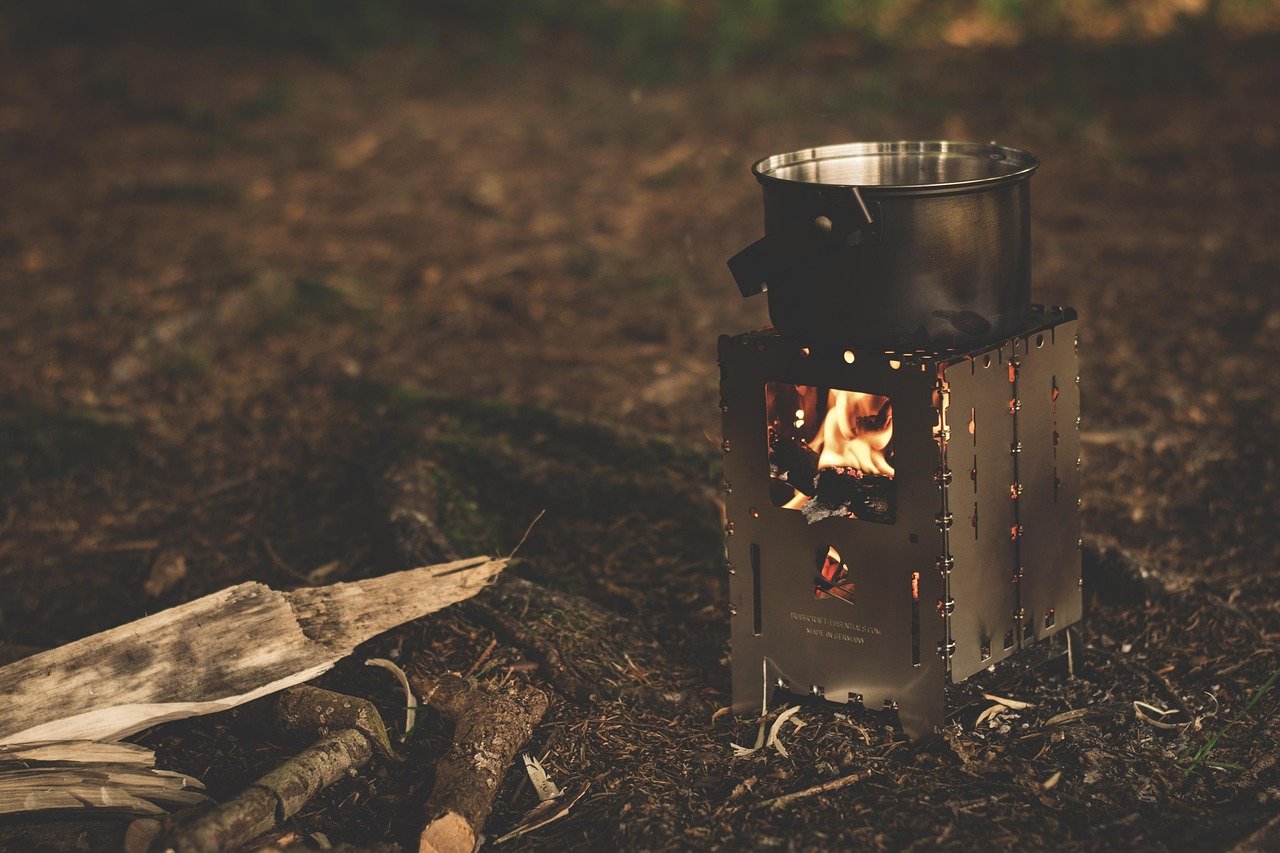
The limit is temperature. Canister pressure drops near freezing, so this is not the stove to rely on for shoulder-season trips that dip below it. Hikers who often camp in that range should read the liquid fuel pick below before buying.
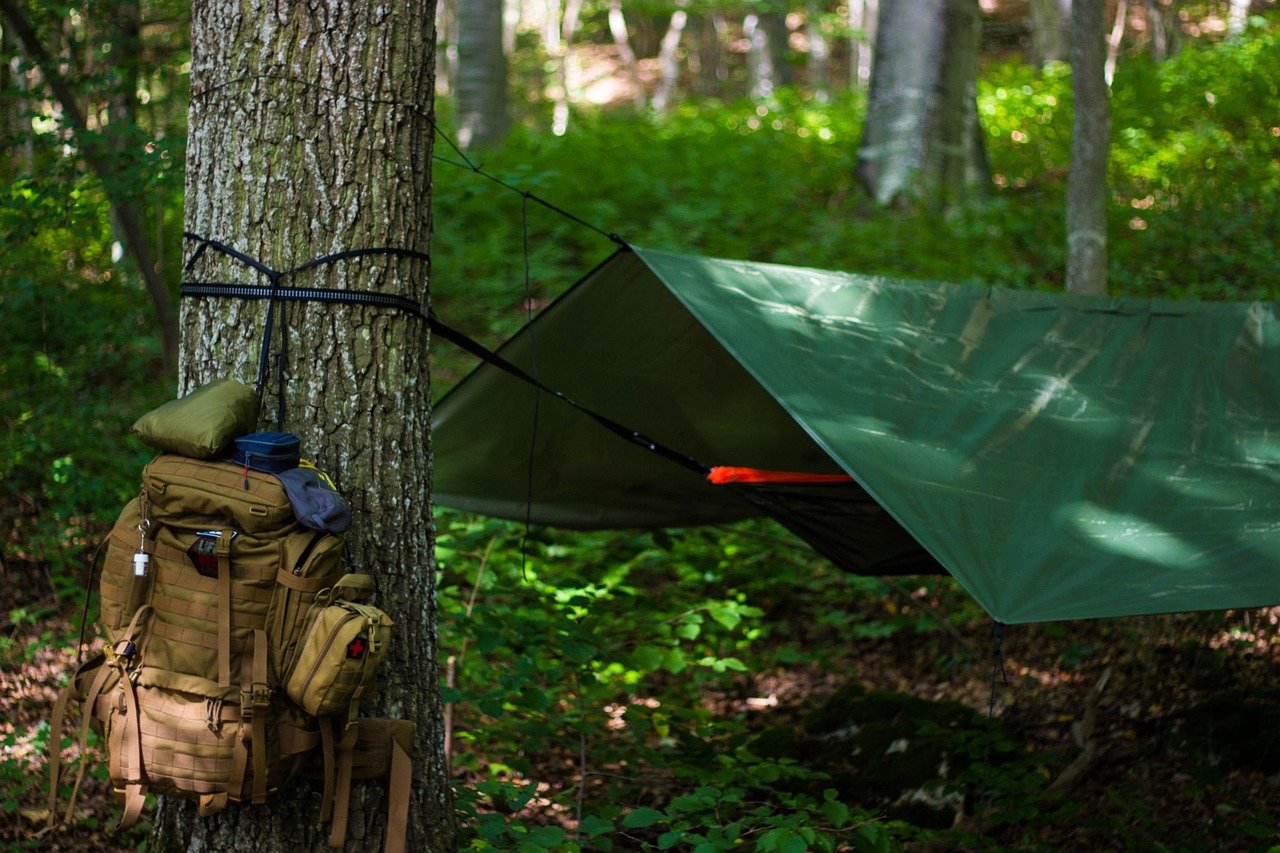
Single-burner butane stove for small groups at base camp
A single-burner butane stove sits between the two extremes. It is the sensible choice when a two-burner unit is overkill and a trail burner is too small.
Liquid fuel stove for deep cold and altitude
A liquid fuel stove is the pick for alpine trips and winter camping. The Top10 guide says liquid white gas burners work well in deep cold and at altitude and cost less per meal. The price is effort: they need priming and occasional maintenance. For a weekend in mild weather, that extra upkeep rarely pays off.
Stove types at a glance
| Stove type | Typical fuel | Burner output | Weight | Cold behaviour | Planning use |
|---|---|---|---|---|---|
| Two-burner camp stove | Propane, 1 lb cylinders | 10,000 to 20,000 BTU per burner | 10 to 14 pounds | Reasonable in cool weather | Car camping and group meals |
| Compact canister stove | Isobutane-propane canister | Roughly 7,000 to 12,000 BTU | Lightest burners under 100 grams | Pressure drops near freezing | Backpacking in mild weather |
| Liquid fuel stove | White gas | Varies by model | Varies by model | Consistent in deep cold and at altitude | Winter, alpine and long trips |
The figures come from the Top10 portable stove buying guide.
Canister versus liquid fuel: the fuel trade-offs
Canister stove or liquid fuel stove, which is better? Neither wins outright; canisters favour convenience in mild weather and liquid fuel favours harsh conditions and long-term cost. The decision depends on the coldest night expected, the altitude and how much fiddling you accept.
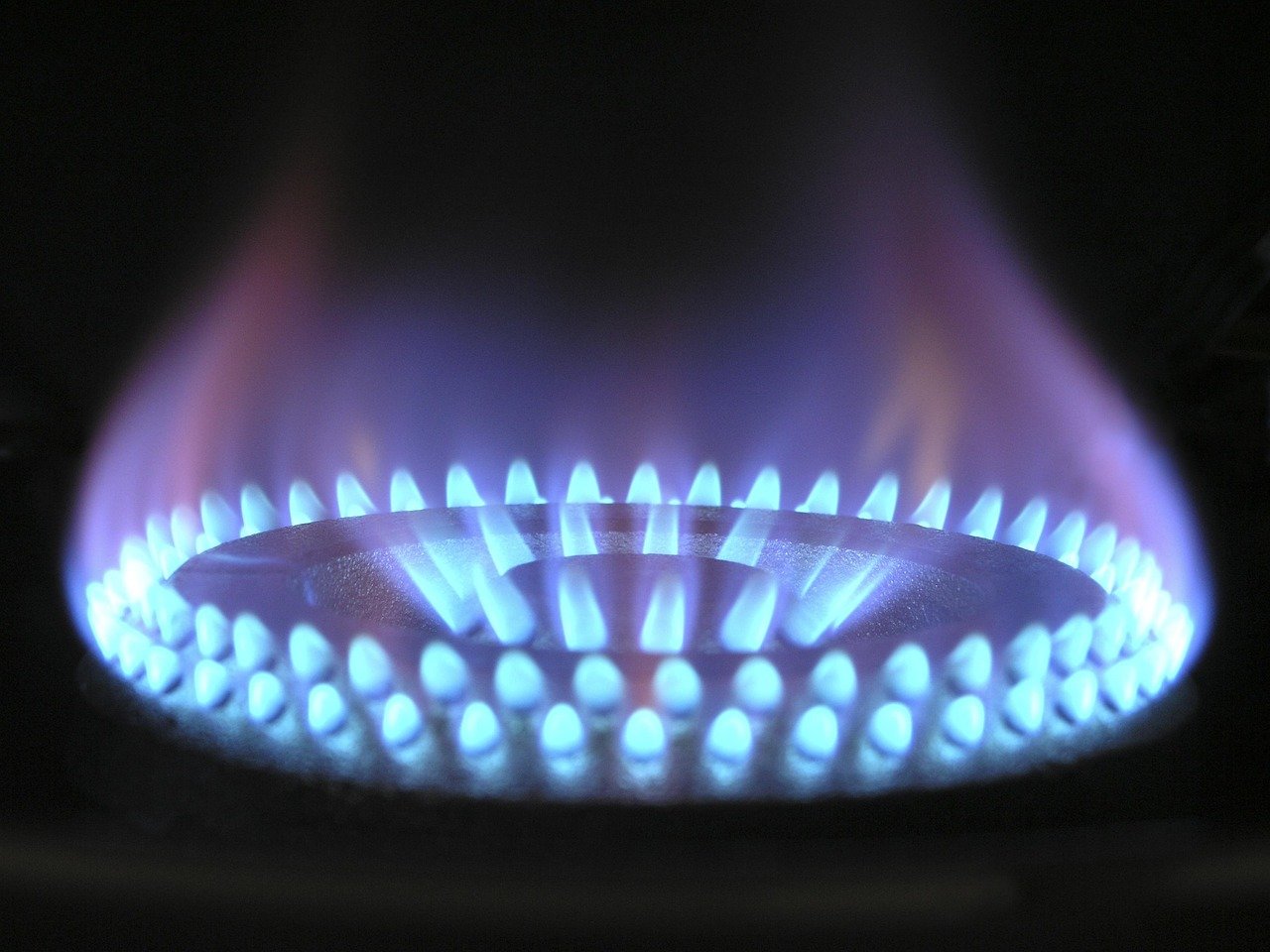
- Propane. It is cheap, widely sold and reasonable in cool weather, and many two-burner units accept an adapter hose for a refillable tank. That makes it the default for car camping.
- Isobutane fuel. Isobutane-propane canisters are compact and easy to use, but pressure falls near freezing. Carry a spare on longer trips.
- White gas. Liquid fuel stays consistent at altitude and in cold, and costs less per meal. The trade-off is priming and upkeep, so it suits people who cook in demanding conditions often enough to learn the routine.
For most weekend campers the practical rule is simple: propane for the car, a canister for light summer trips, liquid fuel once temperatures or elevation make canisters unreliable.
Cookware, wind protection and simmer
Cookware only performs as well as the stove can keep its heat under it, and wind is the main thing that undoes that. One outdoor stove review calls wind one of the biggest causes of slower boil times outdoors, so a windscreen is the cheapest upgrade for any stove that is used in the open.
Two-burner units often build this in. The Top10 guide notes that fold-out side panels block gusts and help hold heat under the pot. Burners without panels benefit from a separate windscreen set around the pot, which is the usual answer for compact canister stoves.
Match the pot to the trip. Car campers can use skillets and larger pots, but a pan only works if the burner can drop to a low, stable flame. A stove that cannot simmer burns food whatever pot sits on it.
Safe use and cold-weather planning
Fuel-burning stoves produce carbon monoxide and pose a fire risk in enclosed spaces, according to the Top10 guide. Cook outside, in open air, and never in a tent.
Cold nights make cooking in the tent tempting, and the better answer is warmth from insulation. The best camping sleeping bags keep you comfortable without any stove running indoors, which leaves the stove for hot meals outside.
Frequently asked questions
Can a two-burner stove run from a larger propane tank?
Many units accept an adapter hose for a refillable 20 lb tank, according to the Top10 guide. This saves swapping small cylinders on a long stay at one campsite.
How is stove boil time measured?
Compare stoves only on the same volume, and expect outdoor results to be slower than the rating in wind.
Do push-button igniters always work?
No. Piezo igniters are convenient but can fail with moisture or age, so carry a lighter or waterproof matches as backup.