The best camping sleeping bags match their fill to the conditions: down for dry, cold nights, synthetic for damp ones, with an insulated sleeping pad underneath either. No single bag wins everywhere, so choose by weather, packed size and budget.
A bag and a pad work as one sleep system, so this guide treats them together. Anyone building a full kit can cross-check it against the camping gear checklist.
How the picks are chosen
The picks below are not ranked, because the supplied specifications describe different kinds of bag and pad rather than identical tests of the same thing. They are ordered from lightweight down to damp-weather synthetic, then the pad that sits under them. Each is judged on the same criteria:
- Warmth for weight. Down insulation has an exceptional warmth-to-weight ratio, according to Sea to Summit, which makes it the usual choice when pack weight matters.
- Moisture behaviour. Wet weather changes which fill is sensible, so each pick states how it copes with damp.
- Packed size and durability. A light, compressible bag can have a different lifespan from a cheaper, bulkier one.
- Fit with the pad. A bag only performs as well as the insulation beneath it.
Reading temperature ratings and R-values
A temperature number on a bag and an R-value on a pad are only comparable when they come from the same kind of test. Before comparing two bags, check which rating level the brand quotes (comfort, limit or extreme) and use the same level for both. For pads, the Therm-a-Rest NeoAir XTherm NXT is listed with an R-value of 7.3 under an ASTM label, as Tent Radar reports. Compare it only with pads whose R-values carry the same kind of standard label.
Sleeping bag picks
Western Mountaineering UltraLite 20°F: lightweight down
The UltraLite 20°F uses 850+ fill power goose down, handcrafted in California, with a fill weight of 16 oz and a total weight of 1 lb 13 oz, according to Tent Radar. It suits campers and backpackers who carry their kit and sleep in dry, cold conditions. The limit is the one that applies to all down: it is best for dry, cold conditions, and a bag this light is a poor match for persistently wet weather.
NEMO Alpine 20: water-resistant down for shoulder seasons
Tent Radar describes the NEMO Alpine 20 as a premium 800-fill water-resistant down mummy bag engineered for frosty shoulder-season nights. It suits campers who want down’s warmth for weight but expect some moisture around autumn and spring camps. Water resistance is a mitigation, not a switch to synthetic behaviour, so keep the bag dry in the tent.

Synthetic-fill bags: the damp-weather choice
Synthetic insulation performs better in damp or humid environments, dries quickly and retains warmth when wet, Sea to Summit states. These bags are also typically more durable and easier to care for. The trade-offs are an up-front cost that is lower, but they are heavier and bulkier and have a shorter lifespan than down. They suit car campers, wet-climate trips and anyone who prefers a forgiving bag over a featherweight one.
Cold-weather and expedition bags
For serious cold, look beyond the fill alone. Sea to Summit describes cold-weather expedition bags as using heavier insulation, draft protection and advanced construction for serious warmth. The 20°F-class down bags above cover frosty shoulder-season camping. True winter use calls for an expedition-class bag, and the best cold weather sleeping bag is the one whose rating, draft protection and fill suit the coldest night expected on the trip.
Down or synthetic: deciding by conditions
Neither fill is better in every situation. Tent Radar’s down versus synthetic guide compares four criteria: warmth-to-weight, moisture resilience, pack volume and long-term lifespan. Down wins on weight, pack size and longevity. Synthetic wins when the bag may get wet or when budget and easy care matter most.
- Choose down for dry, cold trips where every ounce is carried and the bag is expected to last many seasons.
- Choose synthetic for humid climates, wet-weather trips and first bags where low up-front cost is the priority.
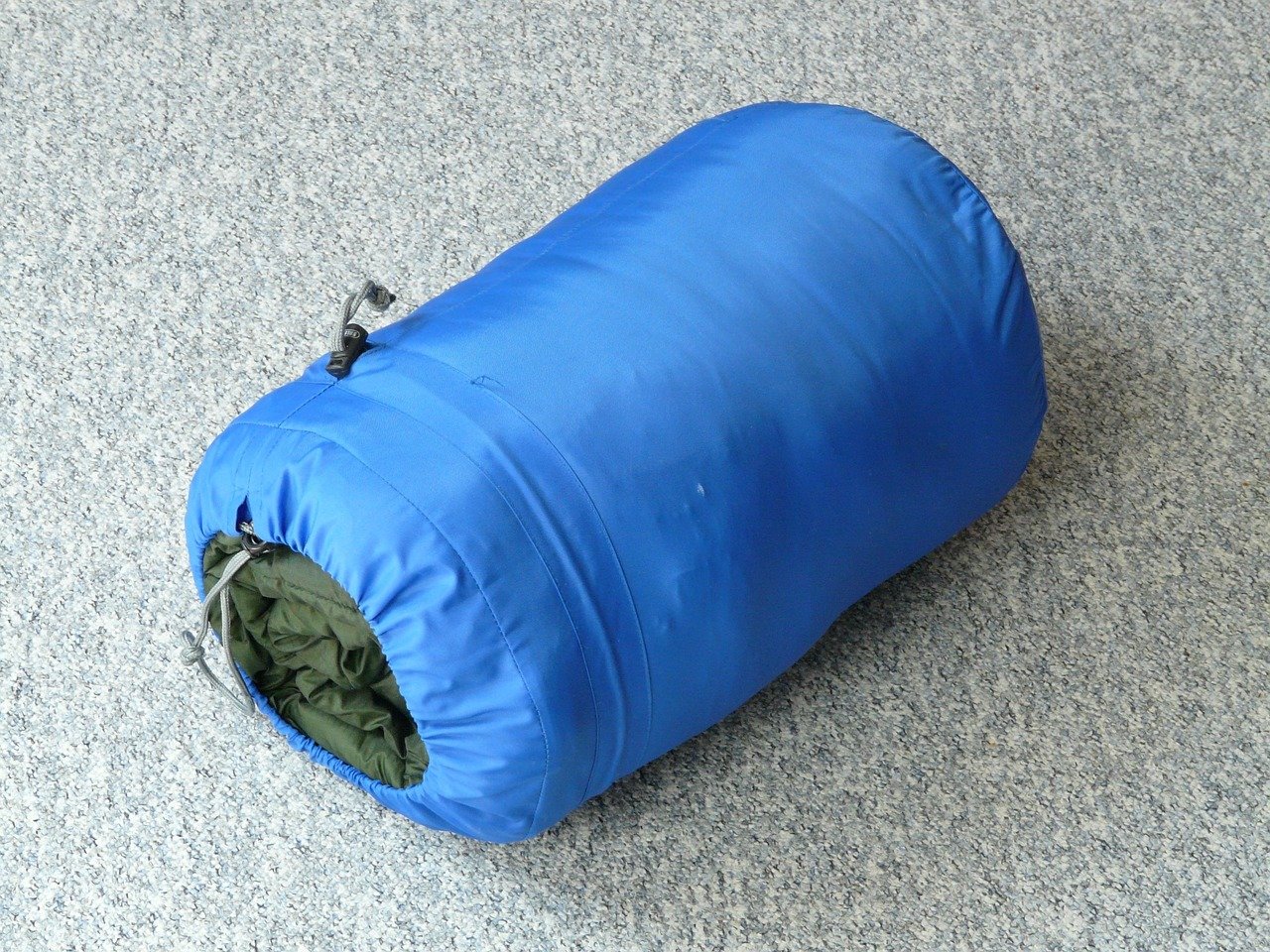
Whichever fill is chosen, bulkier bags travel better in a compression sack, as Sea to Summit advises for sleeping bags that pack large.
Sleeping pad pick and the R-value question
Therm-a-Rest NeoAir XTherm NXT: four-season warmth
This pad has an R-value of 7.3 under an ASTM label and a pack weight of 15.5 oz, per Tent Radar, which calls it a four-season insulated pad providing sub-zero winter insulation at barely one pound. It suits winter campers and cold-sleepers who want insulation without carrying a heavy foam slab. For mild summer nights it is more pad than most campers need.
What R-value do I need?
R-value measures how well a pad resists heat loss into the ground, so the colder the ground, the higher the figure should be. Treat a 7.3 as a winter-grade reference point, not a target for every trip. Match the pad to the coldest ground you expect, then pair it with a bag rated for the air temperature. Guidance from Kent Do Active is to add an insulated sleeping pad underneath the bag, because a good bag cannot compensate for a cold floor.
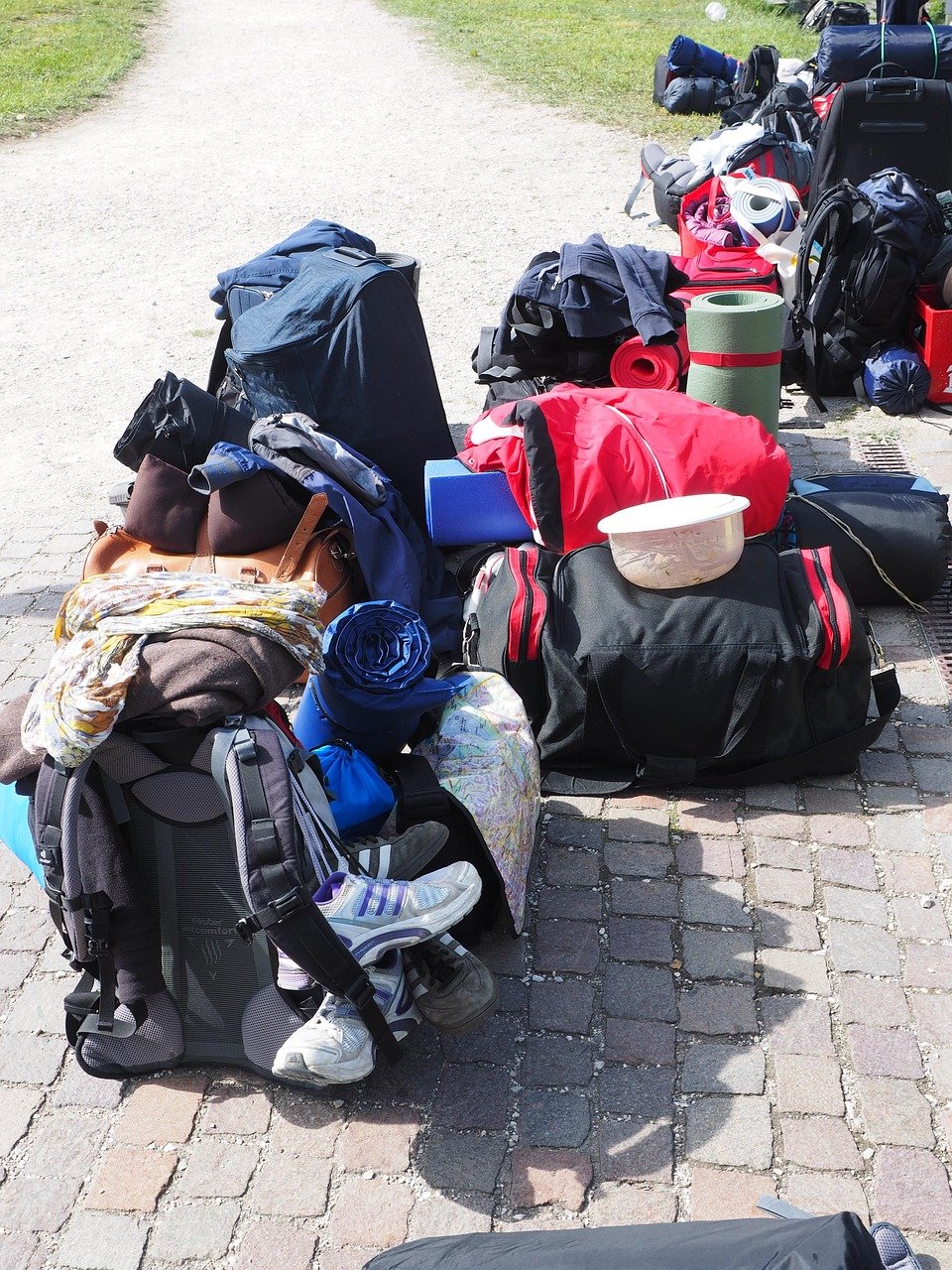
Air mattress or sleeping pad
The useful split is insulation, not inflation. An air-filled pad can still carry a high R-value, as the XTherm shows at barely one pound. An ordinary air mattress with no R-value label gives no way to judge its warmth. For camping, choose a pad whose R-value is stated and suits the season, and treat an unlabelled mattress as suitable only for warm nights or as a layer on top of an insulated pad.
Side-by-side comparison
| Option | Key specs | Suits | Planning use |
|---|---|---|---|
| Western Mountaineering UltraLite 20°F | 850+ fill power goose down; fill weight 16 oz; total weight 1 lb 13 oz | Dry, cold trips where weight counts | Pick when pack weight and longevity outrank wet-weather forgiveness |
| NEMO Alpine 20 | 800-fill water-resistant down mummy bag | Frosty shoulder-season nights | Pick when down is wanted but some moisture is likely |
| Synthetic-fill bags | Dries quickly, retains warmth when wet; heavier and bulkier; lower up-front cost | Damp climates, car camping, first bags | Pick when the bag may get wet or budget is tight |
| Therm-a-Rest NeoAir XTherm NXT | R-value 7.3 (ASTM); 15.5 oz | Winter and sub-zero camping | Pick when ground temperature is the limiting factor |
Figures for the named products come from Tent Radar, and the synthetic-fill characteristics from Sea to Summit.
Completing the camp kit
A warm night also depends on a hot meal and well-kept food. Pair the sleep system with the best camping stoves for cooking and the best camping coolers for food storage.
Frequently asked questions
Is a hybrid fill a good compromise?
Kent Do Active notes that many campers prefer hybrid options when they want reliability across different weather conditions. Hybrid blends sit between down and synthetic on weight and balance, so they suit changeable trips.
Can I wash a sleeping bag in a top-loader machine?
No. Sea to Summit advises against washing a sleeping bag in a top-loader washing machine.
How should a sleeping bag be stored between trips?
Keep it loosely stored. Kent Do Active advises that compression sacks suit travel but that avoiding over-tight rolling helps, because it can reduce loft over time.