| Topic | Verified detail | Planning use |
|---|---|---|
| Gun deer season (Wisconsin example) | Nine-day season opening Saturday, Nov. 21 | Check the managing agency’s season dates before booking a camp in hunted country. |
| Deer harvest registration | Mandatory for Wisconsin deer harvest | Expect check-in rules to apply to anyone hunting, and plan around hunters being active. |
| Treestands | Avoid placing deer stands in or near ash trees; practise treestand safety during peak rut | Treat stands and hunters as normal features of autumn woods. |
| Watching animals | Observe animals quietly from a distance | Choose binoculars or a long lens over a closer approach. |
| Sensitive periods | Avoid wildlife during mating, nesting or raising young | Give animals extra space in breeding season, and skip sensitive spots. |
| Food and pets | Store food securely and keep pets under control | Settle food storage and dog handling before you arrive at camp. |
The table draws on the Wisconsin Department of Natural Resources for the season, registration and treestand points, and on Leave No Trace guidance summarised by Premier Adventures for the viewing, food and pet points.
Wildlife safety while camping comes down to distance, secured food and knowing which hunting seasons overlap your trip. The right habits change with the species and with who manages the land.
Bears call for their own plan, set out in how to stay safe around bears while hiking. This guide covers the wider picture: viewing animals, storing food, sharing the woods with hunters, and how licensing, ranching and everyday camp habits connect to habitat conservation.
Choosing where to start
Most readers arrive with one concrete worry. Pick the situation that matches yours and read that section first.
- Camping where bears live: start with the food storage section. Food handling is the habit that most directly shapes whether animals visit camp.
- Watching deer, elk or other large animals: start with the viewing section, which covers distance, breeding season and dogs.
- Travelling in autumn: read the hunting seasons section before you pick a campsite. Seasons are set in advance by state agencies, and hunters are legitimate users of the same land.
- Curious about conservation: the sections on deer populations, private land and low-impact camping explain how hunting, ranching and recreation relate to habitat.
Rules differ by landowner. A national park, a national forest and a state wildlife area can each set different conditions, which is why the difference between national forest and national park matters before you pack.
Viewing wildlife safely and legally
Safe viewing starts with a simple Leave No Trace principle: observe animals quietly from a distance, as summarised by Premier Adventures. The principle is short because the behaviour is simple. The animal should never have to change what it is doing because you are there.
Distance and quiet observation
Distance protects both sides. An animal that keeps feeding, resting or moving normally is telling you the gap is acceptable, and a raised head, a stare or a change of direction means it is not. Treat any such change as the cue to back off, not to wait and see.
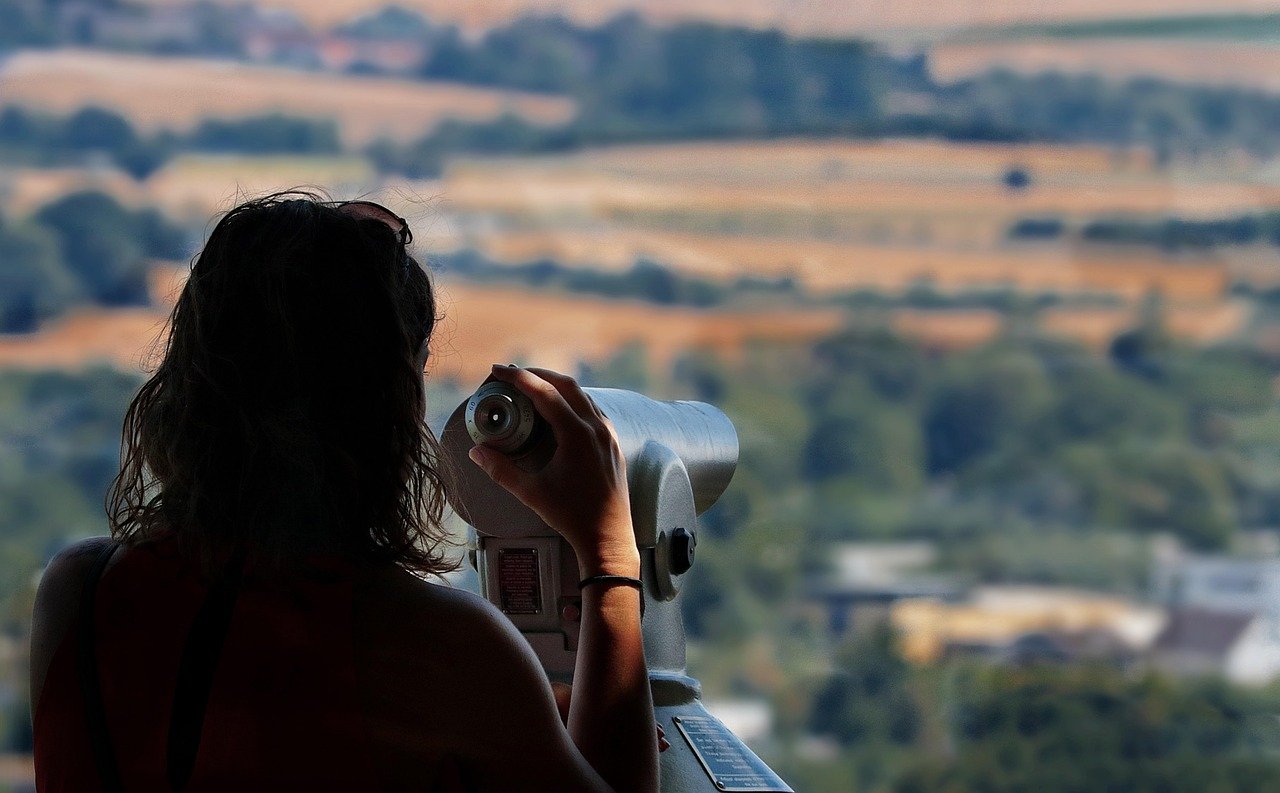
Optics are the practical answer. Binoculars, a spotting scope or a long lens let you watch behaviour without closing the gap, and a fixed viewpoint suits people who want a predictable, low-risk way to look at a landscape. A viewing area such as a lookout is also easier to use quietly than a stalk through brush.
The full set of distance habits is covered in the guide to a safe distance from wildlife. Photographers face an extra pull toward closeness, which is why wildlife photography ethics deserve their own read.
Sensitive periods and the deer rut
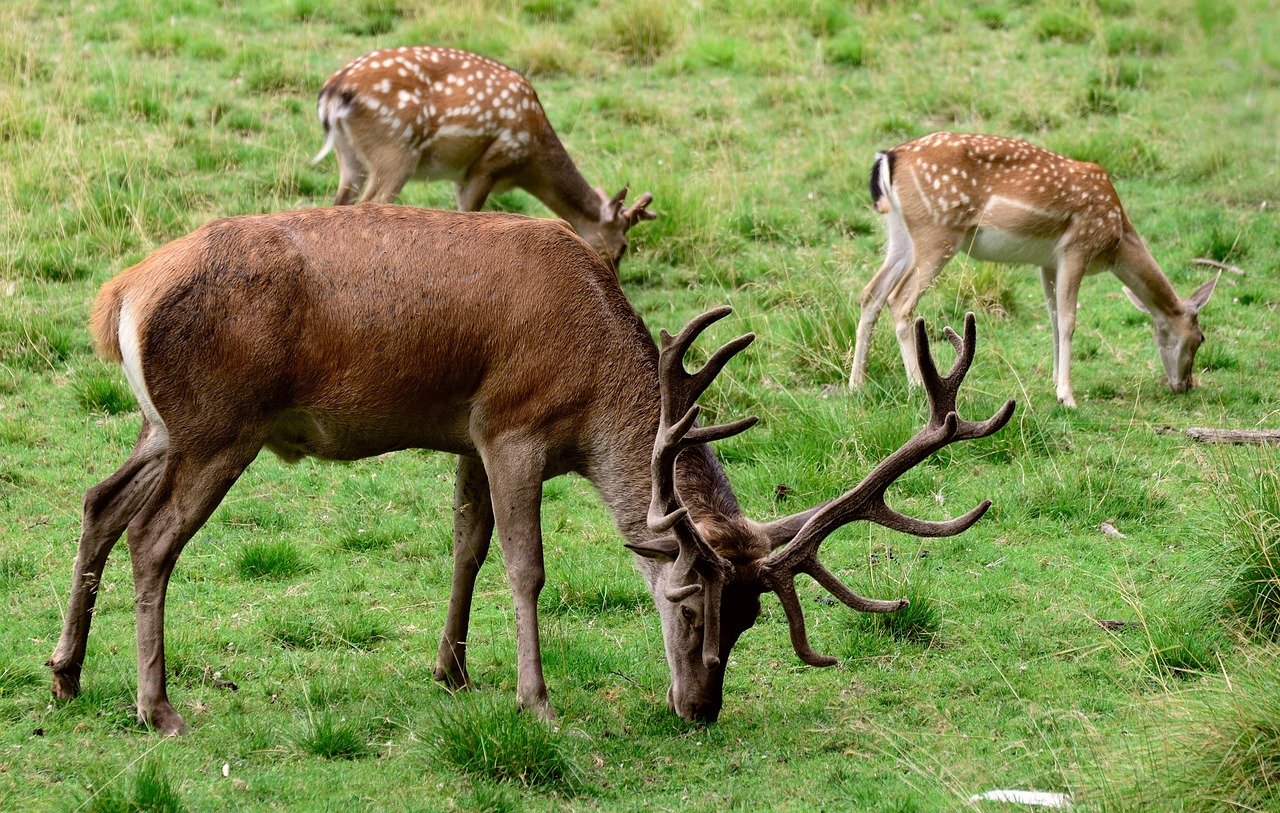
Leave No Trace guidance advises avoiding wildlife during sensitive times such as mating, nesting or raising young. For white-tailed deer, the Wisconsin DNR describes peak rut as the primary breeding season for deer, and it pairs that period with a reminder to practise safety when using treestands.
The practical reading is that a deer in breeding season is a poor subject for a close look. Animals are more focused on each other and more movement through the woods is likely. Hunters are also often active at the same time, so the sensible campsite choice in that window is one where you know the local season dates.
Dogs and pets
Leave No Trace guidance pairs two habits: store food securely and keep pets under control. A dog that runs ahead can turn a quiet viewing moment into a chase, and it can lead a stressed animal back to you. A leash or close control keeps the decision with the person holding it.
If you travel with a dog, read the guidance on hiking with dogs wildlife safety before choosing a route. Whether dogs are allowed at all is a land manager decision, so confirm it before you set out.
Viewing legally
Viewing is rarely a matter of a single national rule. Access, seasons and special restrictions come from the agency that manages each piece of land, and the same trail can carry different rules at different times of year. Check the managing agency’s page before you go, and carry the answer with you rather than relying on memory.
Food storage and camp setup in bear country
The core rule is to keep food, rubbish and strongly scented items away from where you sleep. An Adventure Motorcycle wild camping guide describes hanging food and smelly cosmetics such as toothpaste in a tree far from the tent. Leave No Trace guidance, as summarised by Premier Adventures, adds the broader principle that food should be stored securely.
Hanging food and toiletries
The point of hanging is separation. Food odours, toothpaste and other scented items stay away from the tent, so an animal investigating them is not investigating you. Keep cooking and eating away from your sleeping area for the same reason, and never take scented items into the tent for convenience.
Hanging suits areas where trees are available and no rule requires a container. It is a weaker choice where suitable trees are scarce, so the better habit is to decide your method before arriving, not at dusk when the light is poor.
Containers, bags and local rules
Managing agencies in some areas specify how food must be stored, and those rules override general advice. Look up the requirement for your destination first. If you are weighing a hard-sided container against a hanging bag, the comparison of bear canister vs bear bag sets out the trade-offs.
Scavengers, rubbish and everything that is not a bear
Bears are not the only animals that react to food. The Adventure Motorcycle guide notes that food and rubbish attract scavengers such as possums and rats. A storage routine built for bears therefore protects your gear from smaller visitors too, and a tidy camp is the cheapest form of wildlife management available to you.
For the practical steps of keeping a pitch unattractive to animals, see how to keep animals out of your campsite.
If a bear does arrive
Storage reduces the odds but does not remove them. Carrying deterrent spray is a decision to make before the trip, along with knowing where it sits on your body and not in the bottom of a pack. The guide on how to use bear spray covers carrying and use in detail.
Other animals you may meet
Bears get the attention, but a camping trip can bring other encounters. Each species behaves differently, so a bear plan is not a substitute for knowing the animal in front of you.
- Mountain lions: sightings are uncommon but memorable, and the right response differs from a bear response. Read what to do if you encounter a mountain lion if your route crosses their range.
- Coyotes and wolves: these canids often keep their distance, and the guide on what to do if you see a coyote while hiking explains how to respond calmly.
- Snakes: prevention is mostly about attention to where you step and sit, covered in how to avoid snakes while hiking.
- Moose and elk: large herbivores can be unpredictable at close range, which is why moose safety while hiking is worth reading before you share a meadow with them.
How hunting licences and seasons support conservation
Hunting licences and seasons turn wildlife management into enforceable rules. A hunter has to hold the right authorisation, hunt within set dates and register the harvest. The result is a system that managers can adjust rather than an open-ended activity.
Licences, education and registration
The Wisconsin DNR states that registration of a deer harvest is mandatory. Registration matters because it gives the agency a record of what was taken, and that record is the basis for judging how a population is doing. The same DNR page notes that alternatives to traditional in-person hunter education were offered during the COVID-19 period in 2020, a reminder that the licensing pathway itself can change.
If you are new to the process, the guide on how to get a hunting license explains licences and tags step by step. The licence is the entry point, and the season and bag limits then define what a licence holder may actually do.
Seasons and bag limits
A season is a fixed window. In the Wisconsin DNR example, the nine-day gun deer season opened on Saturday, Nov. 21. Dates like this are published in advance by the agency, and they differ by state, species and method, so confirm the current calendar for your destination rather than assuming last year’s pattern.
A hunting-focused guide from Birch Hunters puts the compliance point plainly: adhere strictly to local hunting laws, seasons and bag limits. The same source frames regulated hunting as a way to keep populations at sustainable levels, which is the conservation logic behind the limits.
Why deer numbers need managing
White-tailed deer show why. The Birch Hunters guide says that in many parts of the United States, white-tailed deer populations have exploded because natural predators are lacking. It links overpopulation to overgrazing, forest degradation and more vehicle collisions.
That is a hunting-industry source, so read it as one explanation of the rationale rather than a measurement of any particular herd. The useful takeaway for a camper is practical: deer are common enough in many regions that road and campsite encounters are normal, and the agency, not the individual hunter, sets the framework.
Sharing the woods in hunting season
Campers and hikers can use the same land that hunters use. The sensible response is awareness, not avoidance. Check the season dates for the area, plan your route to match, and treat the presence of hunters as normal rather than as a threat.
Hunters have their own safety messages that are worth understanding. The DNR advises hunters to avoid placing deer stands in or near ash trees and to practise safety when using treestands during peak rut. It also reminds waterfowl hunters to wear a lifejacket, a sign of how much hunting happens on or beside water.
Hunting ranches, private land and habitat management
Hunting ranches sit between public wildlife management and private land ownership. The Birch Hunters guide notes that many hunting organisations purchase or lease land specifically for wildlife habitat, and that regulated hunting helps keep populations at sustainable levels. Those two points describe the model: land is held and managed for wildlife, and harvest is regulated to keep numbers in balance.
What managed land does for habitat
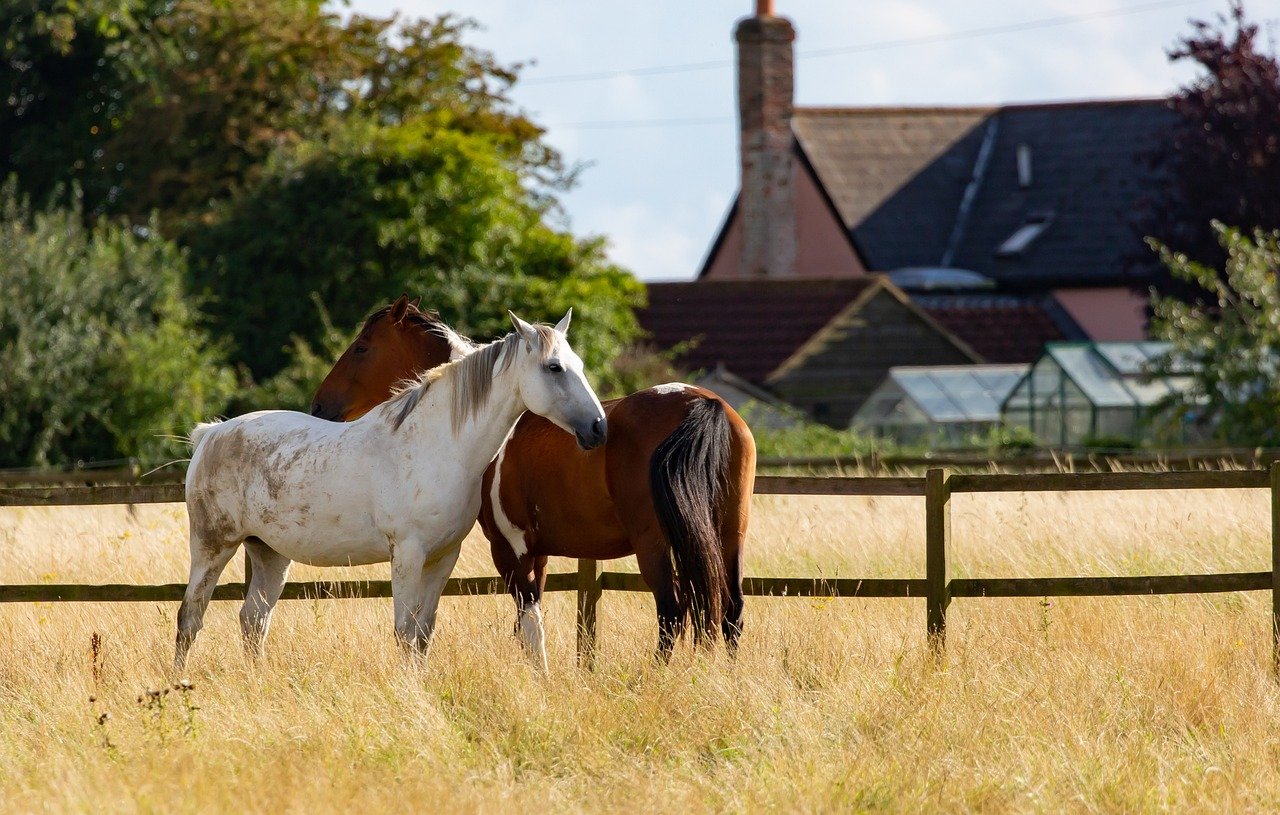
Fenced or managed private land can protect habitat from development and give managers control over how many animals graze it. That matters for the overgrazing and forest degradation the same source associates with overpopulation. The trade-off is access, because private land is usually closed to the public, while public lands offer wider access under agency rules.
Public alternatives for visitors
Visitors who want managed habitat without a private arrangement have public options. A state-run area can combine habitat work with public access, and the guide to what is a wildlife management area explains what these places are and how to visit them. Because many are open to hunting, the seasonal awareness from the previous section applies directly.
Habitat conservation you can practise while camping
Recreation is large enough to matter. The Leave No Trace Center estimate, reported by Expedition Alpine, is over 13 billion recreational visits to the outdoors every year. When visit numbers are that high, small habits repeated by many people shape habitat, and they explain why the leave no trace principles exist.
Water, waste and fire
Expedition Alpine’s summary gives several concrete distances. Camp at least 200 feet from water sources, and bury human waste in catholes 6-8 inches deep, also at least 200 feet from water. The reasoning is straightforward: water is where animals drink and where waste does the most harm.
Fire is the other major habitat decision. Premier Adventures’ summary advises using a lightweight stove for cooking instead of a fire. Where fires are allowed, rules can be tight, and the Adventure Motorcycle guide notes that California, for example, requires a fire permit even for campsites. Check the permit position wherever you camp.
Firewood
Expedition Alpine also advises buying firewood within ten miles of where you are camping, or choosing certified heat-treated wood. The distance limit matters because firewood moved far from its source can carry problems with it, so local wood is the safer default.
Stewardship beyond your own site
Conservation is also about leaving a place better than the minimum. Picking up litter, even litter that is not yours, is one of the simplest ways to do it.

Frequently asked questions
Is deer harvest registration optional in Wisconsin?
No. Under Wisconsin DNR rules, a harvested deer must be registered before it is considered legally taken.
How far from water should I camp?
Expedition Alpine’s Leave No Trace summary advises camping at least 200 feet from water sources, and burying waste in catholes 6-8 inches deep, also at least 200 feet from water.
What is peak rut, and why does it matter to campers?
The Wisconsin DNR describes it as the primary breeding season for deer. Treat it as a sensitive period: give deer more space, and expect hunters in the woods where seasons are open.
Do I need a permit for a campfire?
It depends on the location. California, for example, requires a fire permit even for campsites, so check local rules, or cook on a lightweight stove instead.