| Decision | National park | National forest | BLM land | Planning use |
|---|---|---|---|---|
| Hunting | Not allowed; you can hike but not hunt | Allowed, with seasonal restrictions | Rules set locally | Hunters should start with national forests and confirm BLM seasons with the local field office. |
| Entry cost | Usually $30 for a day, or an annual pass | No entrance fee | Most times no pass | Budget an entrance fee for parks only. |
| Camping and permits | Permit required for many activities, such as backcountry camping | Rules vary by forest; see the camping section below | Usually camp where you are not damaging the environment | Book ahead for parks; BLM suits flexible, self-reliant camps. |
Figures and rules in the table are summarised from Hiking Hokie’s national parks versus national forests guide and Annatee’s national park versus national forest comparison.
The difference between national forest and national park is mission: national forests are managed for multiple uses, including hunting, while national parks conserve scenery and wildlife and generally bar hunting. BLM land is a third category, concentrated in the West.
Animal encounters are possible on every one of these lands, so pair this guide with wildlife safety while camping before you head out.
What the difference means for your trip
The managing agency decides what you may do when you arrive, so choose the land type before you choose the trailhead. Three activities change most between park, forest and BLM land: hunting, camping and bringing a dog.
Hunting
A national park is a place for hiking, not hunting, according to Hiking Hokie, and no resource extraction is allowed there either. Public land that carries a different label can follow different rules, so the name on the map matters more than the scenery.
- Plan hunts around national forests. They are the usual choice for hunters, with seasonal restrictions that you need to check before each trip.
- Do not assume a preserve behaves like a park. Matador Network notes that national preserves allow hunting, trapping, and oil and gas extraction, which parks do not.
- Ask the local office about BLM land. Seasons and rules are set locally, so confirm them before you pack.
Once you know the land allows hunting, the next step is to learn how to get a hunting license for the area you plan to use.
Camping and fees
National parks charge at the gate and manage overnight use through permits. Annatee puts a park entrance fee at usually $30 for a day, with an America the Beautiful Pass at $80 per year as the alternative. KTAL reports that camping is allowed at most national parks, and Hiking Hokie adds that permits are needed for many activities, including backcountry camping. A park trip therefore rewards early planning rather than a last-minute turn-up.
National forests suit travellers who want flexibility. They do not require an entrance fee, and Swervia says you can camp at a single dispersed location for up to 14 consecutive days within 30 days. KTAL notes that camping in such cases is usually free. Move on before the limit, because staying put is the most likely way to break a forest rule.
BLM land is the most open of the three. Annatee says you can usually camp wherever you like as long as you are not damaging the environment, and most times no pass is needed. That freedom puts the burden of good judgement on you, so choose a durable spot and leave it as you found it.
Dogs on trails
Dog owners should check the land type before picking a trail. Hiking Hokie says dogs are not allowed on the trails in national parks, while Matador Network notes that national forests may permit dogs on trails. If a dog is part of the trip, a national forest is the safer default, and hiking with dogs wildlife safety covers how to keep both animals and wildlife out of trouble.
Who manages which land
Three federal agencies run the public land most hikers use: the Forest Service, the National Park Service and the Bureau of Land Management. Their missions explain every rule difference above.
National forests and the Forest Service
The US Forest Service was established in 1905 and, according to Swervia, manages 193 million acres across 154 national forests and 20 national grasslands for multiple uses. Multiple use means one piece of land serves several purposes at once. KTAL describes national forests as managed properties that produce goods such as lumber, cattle and minerals alongside recreation.
For a visitor, that mission means working landscapes. Expect roads built for resource work, seasonal hunting and open camping, and do not expect the protection of a park.
National parks and the National Park Service
The National Park Service works from a preservation mission. Its Organic Act directs it to conserve the scenery, the natural and historic objects and the wildlife, as Hiking Hokie quotes it. Today there are 61 national parks across the US, according to Matador Network.
Preservation is why parks ban hunting and resource extraction, require permits for many activities and charge for entry. Those rules are the price of keeping the landscape unimpaired, and they make parks the best fit for visitors who value protected scenery and wildlife over freedom of movement.
BLM land
BLM land is public land administered by the Bureau of Land Management. Swervia says it concentrates in 12 western states and skews high-desert, which makes it open, dry country with few facilities. Within that estate, the bureau oversees around 34 million acres of National Conservation Lands, according to Matador Network.
Camping is possible here, as covered earlier, but remoteness is the real consideration. Carry your own water and navigation, and confirm road conditions locally before you commit to a long drive into the desert.
Reading a public land map
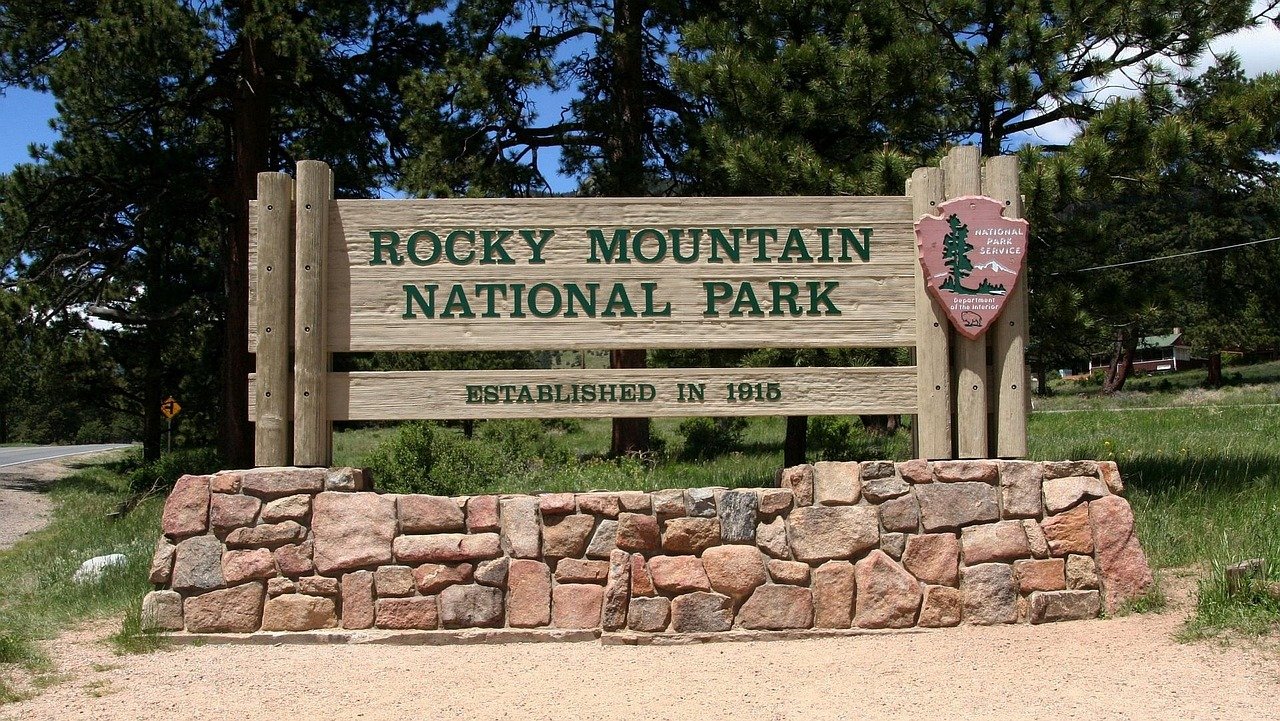
A public land map tells you who manages the ground, and that tells you which rules apply. Use it before the trip rather than at the trailhead.
- Start with the legend. Find the agency name and the colour or pattern assigned to each land category, then match them to your route.
- Watch the boundary lines. A line between two categories means the rules can change within a short walk, for example from forest hunting rules to a park ban.
- Use the Motor Vehicle Use Map in national forests. Swervia notes that the MVUM shows exactly which roads are open to motorized travel, and that motor vehicles are restricted to designated roads in most national forests. Driving to a campsite is only safe to plan if the road appears on it.
- Look for signs and emblems. Entrance signs and agency emblems confirm what the map shows once you are on the ground.
- Confirm with the managing office. Before hunting or camping, ask the local office of the agency named on the map about current rules.

Frequently asked questions
Can you hunt in national forests?
Yes. Hunting is allowed in national forests, subject to seasonal restrictions, so check the dates and local rules for the forest you plan to use.
Who decides whether a place is a national park or a national monument?
Congress decides what deserves national park status, while national monuments are generally declared by presidential proclamation, according to Matador Network.
Which departments oversee the Forest Service and the National Park Service?
The Forest Service exists under the jurisdiction of the Department of Agriculture, while the Department of the Interior heads national parks.