| Situation | Principle | Concrete rule | Planning use |
|---|---|---|---|
| Before the trip | Plan ahead and prepare | Know the area, weather and regulations; check fire restrictions | Settle the route and whether a fire is even allowed before leaving home. |
| Day hike | Travel on durable surfaces; be considerate of other visitors | Stay on marked trails; yield on trails and keep noise respectful | Applies to every outing, including short walks. |
| Camping | Camp on durable surfaces | Established campsites, rock, gravel, dry grass or snow; at least 200 feet from lakes and streams | Screen a site against this list before pitching a tent. |
| Cooking and fires | Minimize campfire impacts | Camp stove or existing fire rings only; a 2-foot fire gives plenty of warmth | Choose a stove when no ring exists. |
| Toilet and trash | Dispose of waste properly | Cat hole 6-8 inches deep, at least 200 feet from water, trails and campsites; take out all trash, leftover food and litter | Pack a way to carry waste out before the trip starts. |
| Plants and animals | Leave what you find; respect wildlife | Do not pick plants or take artifacts; stay 100 yards (300 feet) from bears and wolves and 25 yards (75 feet) from other large animals | Use the distances as a minimum when you spot an animal. |
These figures and rules follow the guidance from Live Healthy OSU at The Ohio State University and America’s State Parks.
The leave no trace principles are seven guidelines for conservation and responsible recreation: plan ahead, use durable surfaces, handle waste, leave what you find, limit campfire impact, respect wildlife and consider other visitors.
Each principle prevents a specific kind of harm, and the sections below sort them by what a hiker or camper is doing at the time. Campers who want animal-specific guidance alongside these habits can continue with the hub on wildlife safety while camping and conservation basics.
Before you leave home
Plan ahead and prepare
Planning is the first principle because every later choice depends on it. Live Healthy OSU describes it as knowing the area, the weather and the regulations, and notes that proper planning reduces risk and minimizes impact.
For a day hiker this is the cheapest principle to follow and the one most often skipped. A hiker who has read the area’s rules knows in advance whether fires are allowed, where camping is permitted and which trails are open.
- Check fire restrictions first. America’s State Parks advises that fire restrictions should always be checked before your trip, which decides whether a stove is the only option.
- Read the local regulations. Rules vary by area, so the posted or published regulation for the place you are visiting is the one that applies.
- Match the plan to the weather. Weather knowledge is part of the principle, so a forecast check belongs in the same planning step as the route.
On the trail as a day hiker
Travel on durable surfaces
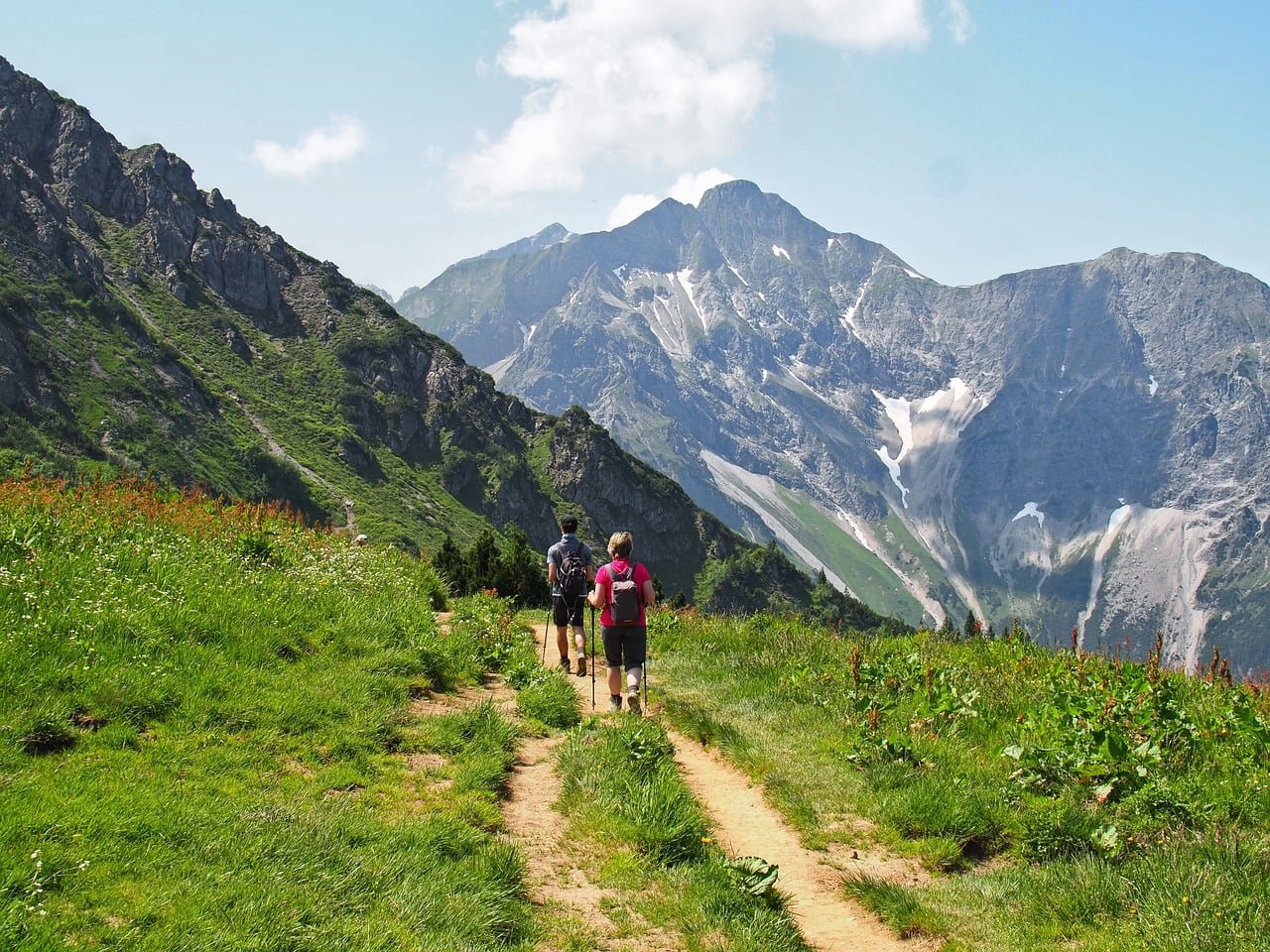
Staying on marked trails is the principle that applies to day hikers on every outing. Live Healthy OSU says that sticking to marked trails and campsites reduces damage to fragile ecosystems.
The harm is cumulative and starts small. America’s State Parks explains that every time someone steps off a trail, they compress soil, crush vegetation, and create the beginning of an erosion path. One shortcut looks harmless, but the next hiker follows the visible line, and the path widens.

The practical judgement is to walk through mud and puddles rather than around them, because going around is how a trail widens. The same logic applies when a trail is crowded: stay on the tread and wait rather than step onto vegetation.
Be considerate of other visitors
The seventh principle covers how hikers share a trail. Live Healthy OSU’s wording is to be respectful with noise, yield on trails, and respect others.
This principle suits busy trailheads and shared-use routes most, where the quality of other people’s visit depends on small courtesies. It has less to do with habitat than the other six, but crowding and noise are what push some visitors to leave the trail for quieter ground.
Setting up camp
Choose a durable campsite
Leave No Trace camping rules start with where the tent goes. America’s State Parks lists durable camping surfaces as established campsites, rock, gravel, dry grass, or snow, and it advises staying at least 200 feet from lakes and streams to protect riparian (waterside) habitats.

Minnesota Upstream gives the reason for the water rule: avoiding camp near water sources protects wildlife and prevents erosion. A tent on a lakeshore is convenient for the camper but sits on the ground animals use to reach water.
- Use an established site when one exists. It concentrates wear on ground that is already worn, so no new patch of vegetation is lost.
- Use bare rock, gravel, dry grass or snow when no site exists. These surfaces tolerate a night’s use better than meadow or damp ground.
- Measure the water distance before unpacking. A site that looks perfect but sits inside the 200-foot margin is the wrong site.
Food odours and wildlife visits are a separate camp problem, covered in the guide on how to keep animals out of your campsite.
Campfires and stoves
Campfires are allowed under the principles only within tight limits, and a stove is the lower-impact choice. Live Healthy OSU’s guidance is to use a camp stove or established fire rings.

America’s State Parks adds two limits. It says to use existing fire rings only and never create new ones, and to keep fires small, since a 2-foot fire provides plenty of warmth and ambiance.
The decision rule is simple. If a ring is already present and fires are permitted, a small fire is within the principles. If there is no ring, or restrictions are in force, cook on a stove and skip the fire. A stove suits anyone camping on bare ground or above established sites, where building a ring would leave a permanent scar.
Waste: cat holes and packing out
Cat holes
A cat hole should be 6-8 inches deep and at least 200 feet from water, trails and campsites. That is the instruction from America’s State Parks, and it uses the same 200-foot margin as the campsite rule, so one distance covers both camping and toileting.
The measurements matter because water, trails and campsites are where people and animals concentrate. Choosing a spot beyond that margin keeps human waste away from drinking and washing areas and away from the places other visitors walk and sleep.
Pack out trash and food
Pack out means taking everything you carried in back out with you. Live Healthy OSU puts it as take out what you bring, including all trash, leftover food, and litter.
Food scraps are the item hikers most often excuse. Minnesota Upstream warns that even biodegradable items like apple cores can disrupt local ecosystems. A scrap that would rot in a compost heap can still change what local animals eat or where they gather.
Day hikers can make this automatic by keeping a dedicated bag for wrappers and scraps so nothing stays loose in a pocket. Overnight campers need the same habit at a larger scale, with food waste included in the carried-out load.
Plants, artifacts and wildlife
Leave what you find
Leaving what you find means looking without collecting. Live Healthy OSU tells visitors to avoid the temptation to pick plants, disturb wildlife, or take artifacts.

A photograph keeps the flower, rock or relic where the next visitor can find it.
Respect wildlife
Respecting wildlife means keeping distance and never feeding animals. America’s State Parks gives minimum separations of 100 yards (300 feet) from bears and wolves and 25 yards (75 feet) from all other large animals.
Feeding is the clearest violation. Live Healthy OSU says that feeding disrupts an animal’s natural behavior and diet. An animal that learns to expect food stops foraging as it normally would, and the lesson is taught at the expense of the next hiker it approaches.
Treat the distances as a floor, not a target. If an animal changes its behaviour as you approach, you are already too close. The detailed guide to a safe distance from wildlife covers how to judge this in the field.
Frequently asked questions
| Question | Answer |
|---|---|
| Are the Leave No Trace principles legally binding? | No. America’s State Parks states that the principles themselves are guidelines, not laws. Printed distances from water or trails may be recommendations rather than law, so a posted local rule is the one to follow. |
| Do the principles cover dogs? | Yes, under respect for wildlife and other visitors. Minnesota Upstream’s advice is to keep pets under control, meaning leashed. |
| What does a day hiker need to avoid wandering off the trail? | America’s State Parks recommends carrying a map and compass, or a downloaded GPS map, so route-finding never depends on shortcuts across vegetation. |