Rain has soaked the woods and the wind is rising: how to start a fire in the wilderness, use a lighter or ferro rod, prepare dry tinder and kindling before you strike, and light only on cleared ground.
The ranking below follows wet and windy conditions, and the order of tinder, kindling and fuel matters more than the ignition tool. For the wider picture of staying safe outdoors, see how to survive in the wilderness.
- Most dependable ignition: a lighter, with waterproof matches as backup.
- Best when everything is damp: a ferro rod, because it works wet and throws sparks on demand.
- Best fire lay for a fast start: a teepee. Switch to a log cabin once the fire is established and you want a steady bed of coals.
- Do not light at all when wind is strong enough to carry embers into dry vegetation.
Ignition sources ranked for wet and windy weather
Reliability decides the ranking. A tool that lights on the first attempt saves your dry tinder, which is the scarcest resource in bad weather. Carry at least two independent sources and keep them in different pockets or pack compartments.
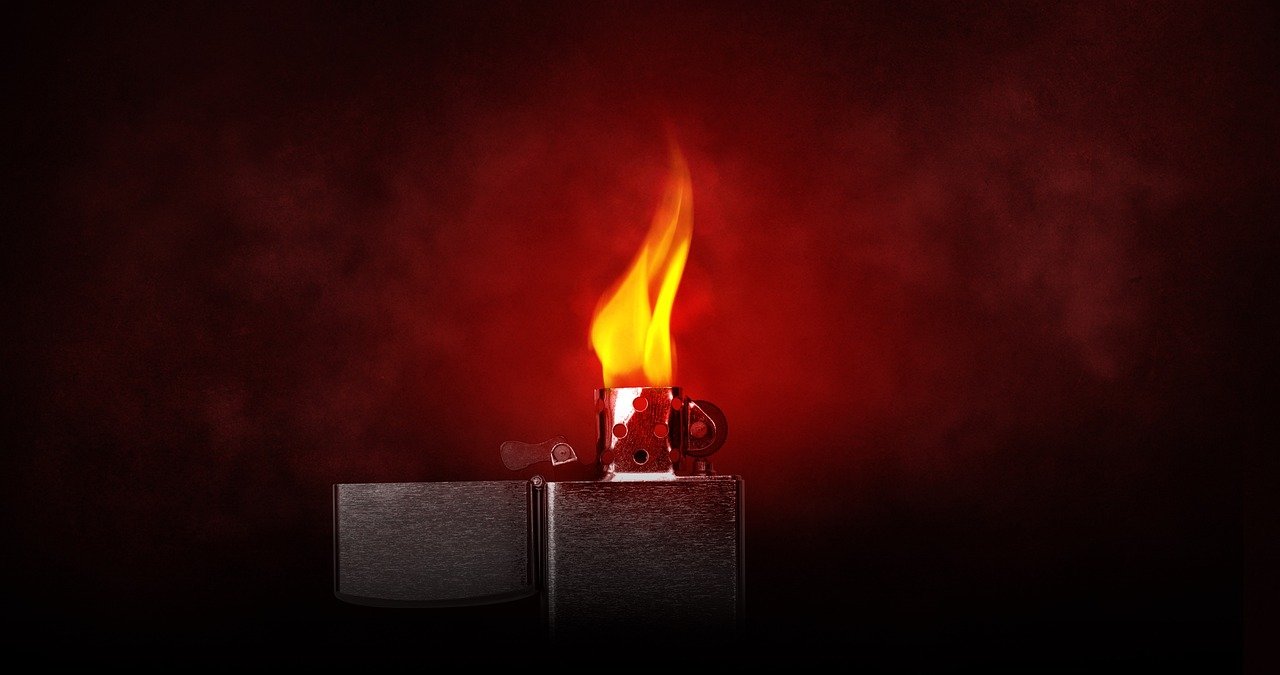
Lighter
A lighter is the quickest and most forgiving option, and it suits almost every hiker. Keep it dry and warm in an inner pocket, and shield the flame with your body before bringing it to the tinder. Its limit is that it can fail when wet, cold or empty, so it should never be your only source.
Waterproof matches
Matches in a waterproof case are the standard backup to a lighter. They suit hikers who want a flame source with no moving parts. Strike them with the box sheltered from wind, and light the tinder from the underside of the bundle so the flame climbs through it. Each match is a single attempt, so prepare everything else first.

Ferro rod
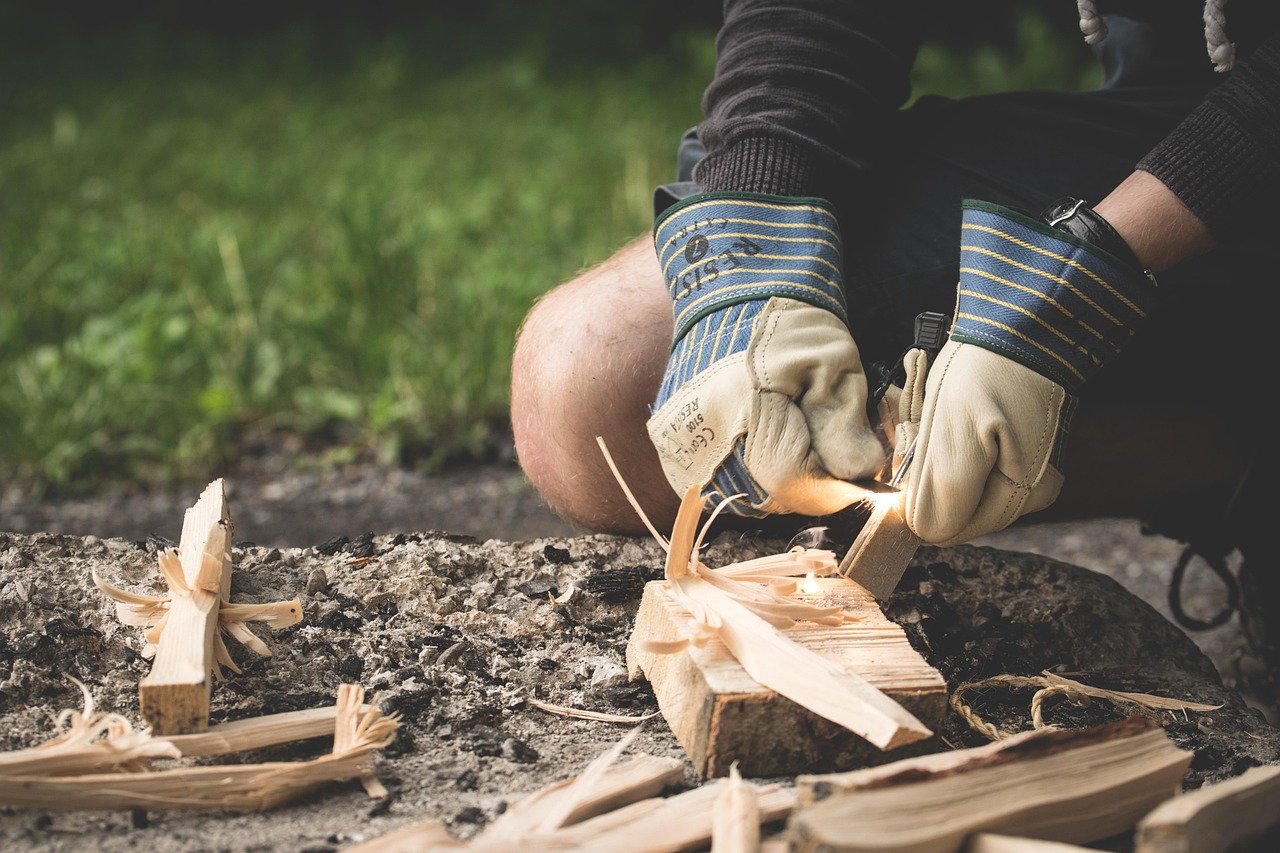
A ferrocerium rod is the strongest answer to how to start a fire without matches. It throws hot sparks even when wet, so it suits wet weather and long trips. Its weakness is that sparks need very fine, dry tinder to catch, so tinder preparation matters far more than with a flame.
To use a ferro rod:
- Build the tinder bundle and kindling on a dry base before touching the rod.
- Hold the rod low, with its tip right against the tinder.
- Press the spine of a knife or the supplied striker firmly against the rod.
- Pull the rod backward while keeping the striker still, so the sparks drop into the tinder instead of scattering it.
- Repeat with firm strokes until the tinder glows, then blow gently and feed in the finest kindling.
Friction and other improvised methods
Friction methods such as bow drills are real skills but a poor choice in rain or wind. They need fully dry wood, practice and energy, so treat them as a last resort rather than a plan. A tool-based method will always beat them in wet weather.
Tinder, kindling and the fuel progression
A fire fails far more often from poor fuel progression than from a poor spark. Move in stages: tinder catches the flame, kindling carries it, and larger fuel sustains it. Skipping a stage, usually by adding thick wood too soon, smothers the flame.
- Tinder: fine, dry, fluffy material that lights from a spark or a brief flame, such as dry grass, shaved bark or the inner bark of dead trees.
- Kindling: twigs from pencil-lead thickness up to about finger thickness, snapped so you can hear a crisp break. Bendy, green twigs are too moist.
- Fuel wood: wrist-thick and larger dead branches, added only when the kindling is burning strongly.
Collect more of each than seems necessary and lay it out in size order before you strike anything. In wind or rain you will not have time to look for the next handful.
How to find tinder when it is wet
Wet woods still hold dry material if you know where to look. Search for these first:
- Dead standing twigs: small dead branches still attached to trees, especially on the lower trunk of conifers, are usually drier than anything lying on the ground.
- Inner bark: peel off damp outer bark from dead wood and collect the drier inner layer, then shred it fine.
- Split wood: split dead branches and shave the dry core into curls or feather sticks.
- Sheltered pockets: look under overhanging rock, thick evergreen boughs and fallen trunks for dry grass and leaf litter.
Keep gathered tinder inside your jacket or pack until the moment you need it. Body warmth drives off surface moisture, and a damp bundle will not take a spark.
Fire lays: teepee, log cabin and a platform base
The fire lay is the arrangement of tinder, kindling and fuel. It decides how quickly the flame spreads and how well it survives bad weather. You do not need more than a couple of lays, and choosing between them is simple.
Teepee
Lean kindling together over a tinder bundle in a cone, leaving a gap on the windward side so air can feed the flame. The cone shape pulls flame upward through the kindling, which makes the teepee the fastest lay to get going. It suits a quick start in damp conditions and small fires for boiling water. Its limit is that it collapses as it burns, so you must keep adding fuel.
Log cabin
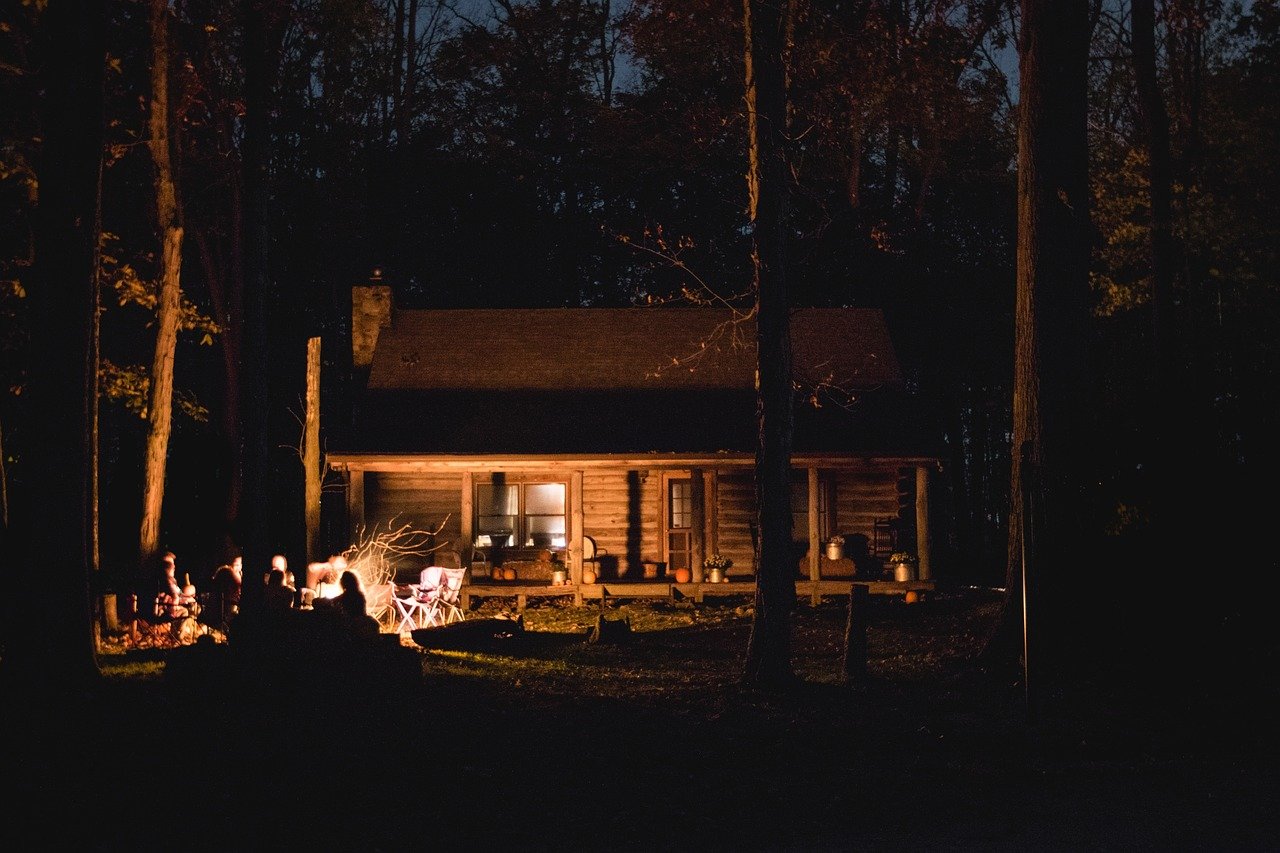
Stack fuel wood in a square, layer on layer, with tinder and kindling in the centre. It is slower to catch but burns steadily and leaves a stable bed of coals. It suits cooking and longer burns once a fire is established. In wet weather, start with a teepee at the centre of the cabin walls, which then also help hold the fire together.
Base platform
On wet or snowy ground, lay a platform of dry sticks or split logs first and build your lay on top. This keeps tinder away from ground moisture and gives air underneath. It adds a few minutes of work but often decides whether the fire lights in wet conditions.
Lighting in wind: decisions that matter
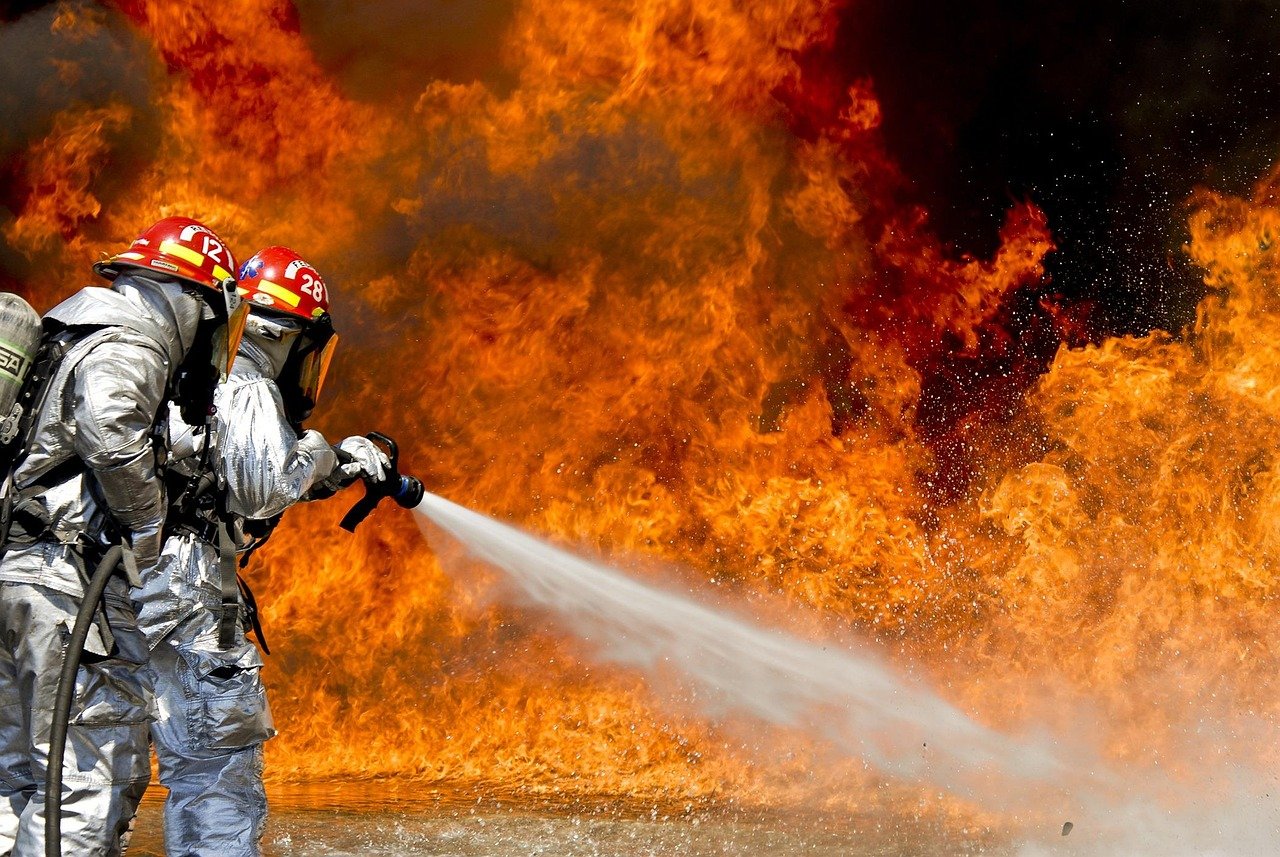
Wind helps a flame once a fire is going, but it blows out a small flame and carries embers. Dry conditions combined with wind are the clearest reason to skip the fire. A gardening-focused review of wildfire damage notes that embers, not large flames, are often the main cause of home loss, and that in the October 2017 Santa Rosa fire embers flew more than a mile across a major freeway.
If conditions allow a fire, shape your site around the wind:
- Use natural cover: light behind a boulder, a log or a bank of earth, and keep the fire small and low.
- Build a windbreak: a lean-to from your shelter materials can do double duty, and how to build an emergency shelter covers how to put one together.
- Light from the downwind side: that way the flame travels into the lay rather than away from it.
- Keep the fire small: feed it gradually so sparks and embers stay low.
Choosing and preparing a safe fire site
Site preparation prevents most fire accidents. Clear a patch down to bare mineral soil, removing leaves, needles, dry grass and twigs. Wildfire guidance for homes keeps the zone closest to a building free of flammable material such as plants, mulch and cardboard, and the same logic applies to a campfire: the less that can burn near the flame, the smaller the risk.
- Look up: avoid sites under low or overhanging branches that sparks can reach.
- Choose flat ground: the same guidance notes that fire moves faster uphill, so a stray ember on a slope below dry vegetation travels more quickly.
- Keep fuel away: store spare wood and your pack upwind and well back from the fire.
- Check for restrictions: follow local fire bans and permit rules from the land manager, and use an existing fire ring where one is provided.
- Keep water close: have a full bottle or pot ready before lighting. If you are low, how to find water in the wilderness explains how to restock it.
Putting the fire out
Put the fire out well before you leave or sleep. Let the fuel burn down to ash, pour water over the whole fire bed, and stir the coals and soil together so no hot patches remain. Keep adding water and stirring until the ashes are cold to the touch. Scatter the cool ash and leave the site clean.
Decision checklist before you strike
- Confirm that fire is allowed and that the wind and vegetation make it safe.
- Choose a flat, sheltered spot and clear it to mineral soil.
- Gather tinder, kindling and fuel wood in separate piles and keep them dry.
- Pick the lay: teepee for a fast start, log cabin for a longer burn, and a platform if the ground is wet.
- Use a lighter or waterproof matches first. Switch to the ferro rod if they fail or the weather is bad.
- Add fuel in stages, from tinder to kindling to larger wood.
- Keep water at hand while the fire burns, then drown, stir and feel the ashes.
Frequently asked questions
When should I skip lighting a fire altogether?
Skip it when a fire ban is in force, when wind is strong enough to carry embers, or when the ground around you is dry and covered in flammable material. Embers can travel far ahead of the flames, so a stove is the safer option in those conditions.
Are friction fire methods practical for hikers?
Rarely. Methods like the bow drill need dry wood, practice and effort, and they perform worst in wet or windy weather. A lighter, matches or ferro rod is the practical choice, and friction methods remain a skills exercise or a last resort.
Does green vegetation stop a fire from spreading?
No. There is no fire-proof plant, although healthy, hydrated plants are harder to ignite than dry ones, according to wildfire prevention guidance. Clear the ground around the fire regardless of how green the area looks.
Should I use accelerants to get a fire going?
No. Fuel and other accelerants make flame behaviour unpredictable and increase the chance of burns and runaway fire. Better tinder, finer kindling and patient, staged feeding do the same job safely.