
| Symptom | First action | Planning use |
|---|---|---|
| Sun is out and you wear an analog watch | Point the hour hand at the sun and find the halfway line between the hour hand and 12. | Quickest daytime check. The halfway line points south in the northern hemisphere, so north lies behind you. |
| Sun is out, no watch, and you can wait | Stand a stick upright, mark the shadow tip, wait about 15 minutes, and mark it again. | Gives an east-west line, then north. Needs level ground and steady sun. |
| Sun is at its highest point | Note that it sits directly south in the northern hemisphere and directly north in the southern. | No tools needed. Unreliable at the equator and near the poles. |
| Clear night in the northern hemisphere | Pick out Polaris, the almost motionless star. | Gives true north directly. Needs a clear sky. |
| Cloud, darkness or no usable method | Stop moving and stay near your last known position. | Better than a guess when the options are a coin-flip bearing or wandering. |
Direction-finding figures here come from the Scouting America outdoor skills guide and the Gaia GPS natural navigation guide.
Learning how to find north without a compass means you match the method to the conditions: a watch or shadow stick by day, Polaris on a clear northern night, and the midday sun wherever sun-based rules hold.
These are rough bearings for orientation, and they belong in the wider toolkit of how to survive in the wilderness. Once you know which way is north, check it against the terrain with how to read a topographic map. If the bearing leaves you unsure of your position, what to do if you get lost hiking covers the next decisions.
Sun position and shadows during the day
The sun is the most dependable daytime pointer, and the answer to finding north in daylight depends on which hemisphere you are in. In the northern hemisphere, the sun sits directly south when it reaches its highest point in the sky, so north is behind you if you face it. The order reverses in the southern hemisphere, where the sun sits directly north at its highest point.
Symptom: the sun is hidden or low and you cannot judge its highest point. Fix: read the shadows instead. Shadows fall opposite the sun, which helps on cloudy days. In the northern hemisphere, when the sun is due south, every shadow points north.
Symptom: you are near the equator or close to the poles. Fix: do not rely on any of the sun rules above. Sun-based direction rules are not reliable at the equator or near the poles, so move to a different method or accept a less certain bearing.
Shadow stick method
The shadow stick turns the sun’s slow movement into a visible east-west line. It suits you when you have no watch, the sun is clearly casting shadows, and you can stay in one spot for a while. The Scouting America guide describes it with a stick of about three feet (about 0.9 m).
- Plant the stick. Stand a stick of about three feet upright in open, level ground where its shadow will not be broken by trees or rocks.
- Mark the first shadow tip. Place a rock at the end of the shadow cast by the stick.
- Wait. Leave the stick alone for about 15 minutes while the shadow shifts.
- Mark the second shadow tip. Place another stone at the end of the new shadow.
- Read the line. The first marker lies west, so the line joining the markers runs east-west. Stand with the first marker on your left and the second on your right, and you face north.
Symptom: the two marks sit almost on top of each other. Fix: the shadow has not moved enough, so keep waiting before placing the second stone. Symptom: the stick leans or the ground slopes. Fix: reset the stick upright on flatter ground and start again, because the markers only mean something if the stick stayed vertical. Neither source gives an error figure for this method, so treat the result as an approximate bearing and confirm it with a landmark if you can.
Analog watch method
An analog watch works as a sun compass when the sun is visible and the watch shows the correct local time. The procedure from the Scouting America guide is to point the hour hand toward the sun and then find an imaginary line halfway between the hour hand and the 12. In the northern hemisphere, that halfway line points south.
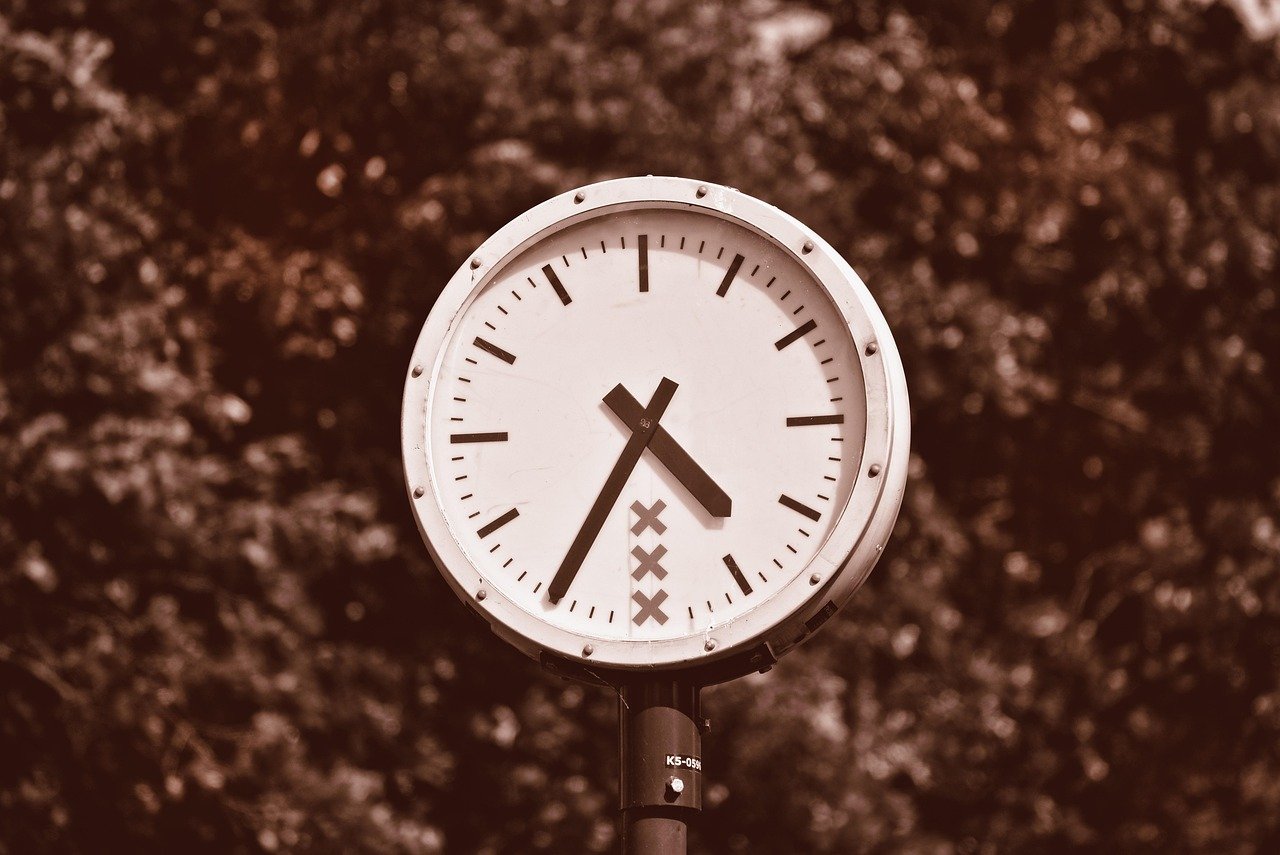
Two details decide whether the result is usable.
- Daylight saving time. While clocks are on daylight saving time, the halfway line is between the hour hand and the 1 instead of the 12. Skipping this correction shifts the south line by the width of an hour on the dial.
- Hemisphere. The procedure above is the northern hemisphere version, with south on the halfway line. In the southern hemisphere, use the midday sun, which sits directly north at its highest point, rather than reversing the watch steps from memory.
Symptom: your watch is set to a different time zone or has not been adjusted for the season. Fix: use the shadow stick instead, since it depends only on the sun and the ground. The watch is the fastest check, but it is also the one most easily spoiled by a clock that does not match local sun time.

Finding north with the stars
On a clear night in the northern hemisphere, Polaris is the star to find. Polaris is known for showing the direction of true north, because it lines up with the earth’s rotational axis above the north pole. That alignment is why it remains almost motionless while the other stars seem to rotate around it.
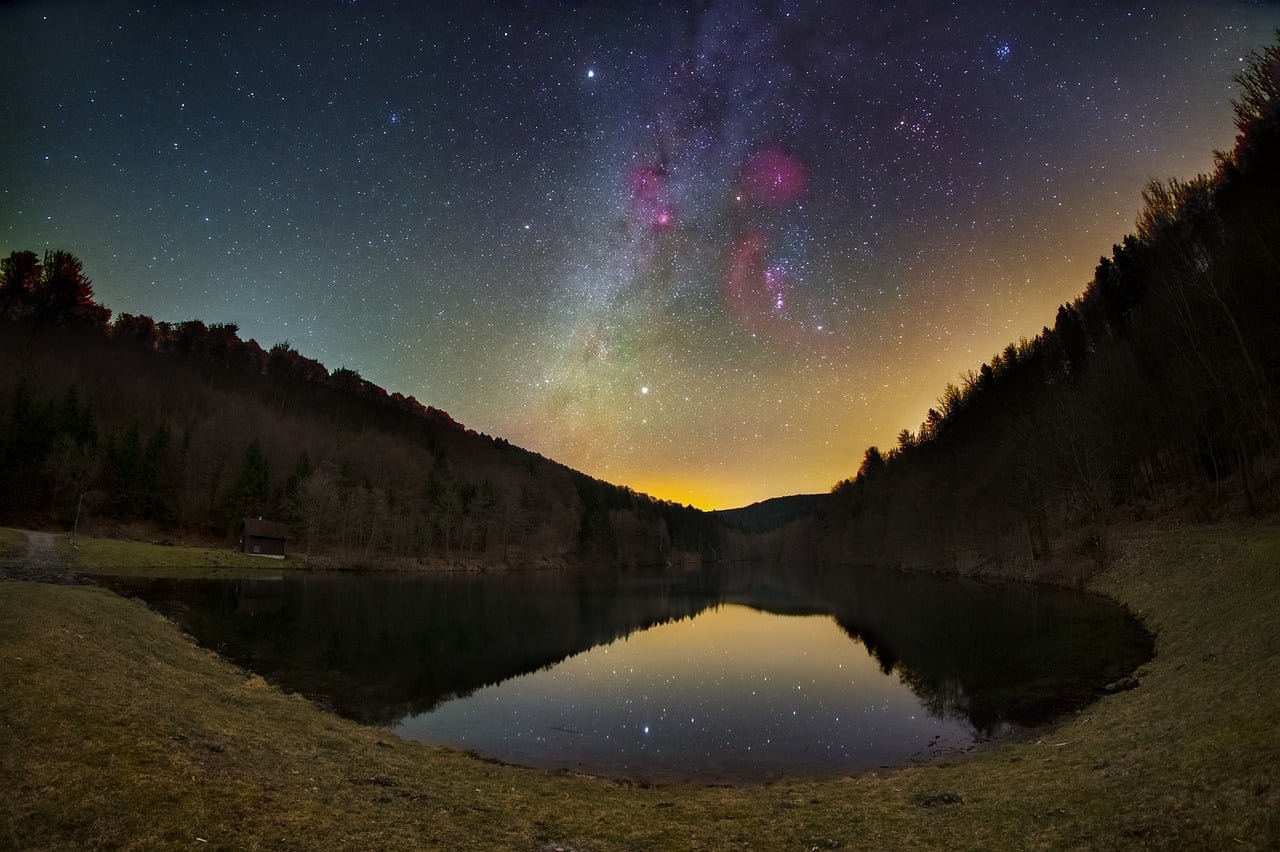
That property is also the practical test. If you are unsure which star you are looking at, watch it for a while: the one that barely shifts while its neighbours circle is the candidate. Stand facing it and you are facing north. This method gives a direct reading of true north rather than a rough line, which makes it the most precise option in this guide, but only when the sky is clear and you are in the northern hemisphere.

Hemisphere differences and limits
Hemisphere changes the answer for several methods, and it helps to keep the differences straight before heading out.
- Midday sun. South in the northern hemisphere, north in the southern.
- Watch method. The sourced steps give south in the northern hemisphere only.
- Polaris. Useful for the northern hemisphere. A southern observer needs a different pointer than this star, and a general view of a crowded sky does not supply one.
- Shadow stick. Works from the sun’s movement and shadows, so the east-west line is the part to trust. Check which way north lies using the midday sun rule for your hemisphere.
Stars and the watch both fail in darkness or heavy cloud, and the sun methods fail when the sun is hidden. In that case, stop trying to extract a bearing. The Scouting America guide advises staying put when you have no watch or needle after sunset, because rescuers look near where you were last seen and wandering lowers the chance of being found.
Frequently asked questions
| Question | Answer |
|---|---|
| How accurate are these methods compared to a compass? | None of them replaces a compass. The shadow stick and watch give approximate bearings, so cross-check them against a landmark or your map. Polaris is the most direct pointer to true north, but only on a clear northern night. |
| Can the sunrise and sunset mark east and west? | As a rough guide, yes: a rising sun marks east and a setting sun marks west. The rule does not hold at the equator or near the poles, so use it only as a first estimate. |
| Can I magnetize a needle to make a compass? | Yes, in principle. The same guide describes rubbing a needle on silk, such as a sleeping bag liner, and floating it on a piece of grass in water. It will align north-south, but you only have a 50-50 chance of choosing the correct end as north, so confirm it with the sun or stars. |